

Contenido
I spent a week in 2025 auditing the top 30 Spanish-language casino review sites that ranked on the first page of Google for common gambling search terms. The results were striking: 22 of 30 featured unlicensed offshore casinos in their top three recommendations. Most didn’t mention the DGOJ at all. Several displayed fake licence badges. The affiliate ecosystem is, for many Spanish players, the first and most influential touchpoint with the gambling market — and it is systematically biased toward the operators that pay the highest commissions.
How the Affiliate Revenue Model Creates Bias
Casino affiliate sites earn money through revenue-share agreements with operators. When a player clicks an affiliate link, registers at the casino, and deposits money, the affiliate earns a percentage of that player’s losses — typically 25% to 45% of the player’s net loss over their lifetime at the casino. The higher the operator’s margin, the more the affiliate earns. And offshore casinos, unburdened by DGOJ compliance costs, deposit limits, and advertising restrictions, tend to generate higher per-player revenue than their licensed counterparts.

This creates a direct financial incentive for affiliates to promote offshore casinos over DGOJ-licensed ones. A licensed casino with mandatory deposit limits and responsible gambling interventions generates less lifetime revenue per player — and therefore less commission for the affiliate — than an offshore casino where players can deposit without restriction and play without protective interruptions. The affiliate’s recommendation isn’t based on which casino is safest for the player. It’s based on which casino generates the most commission for the affiliate.
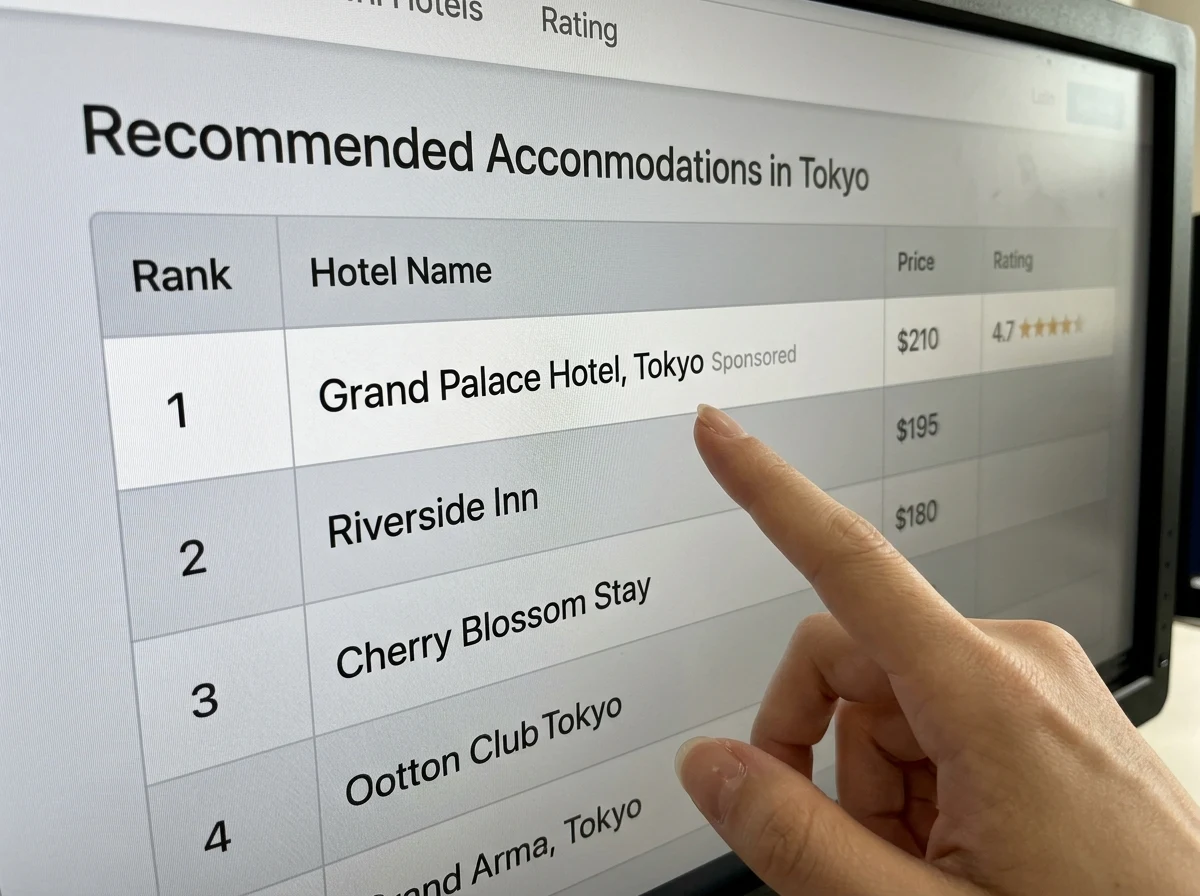
The bias is invisible to most players. Review sites present their rankings as objective assessments — scoring casinos on categories like «game selection,» «bonus quality,» «payout speed,» and «trustworthiness.» The scoring criteria are designed by the affiliate to produce rankings that align with commission rates, not player welfare. A casino that pays 40% revenue share will reliably outrank one that pays 25%, regardless of which is safer or better licensed.
The Awareness Gap: 47.5% Don’t Know They’re on Illegal Sites
Nearly half of Spanish players who believe they’re on legal sites have accessed non-.es domains. The affiliate ecosystem is a primary driver of this awareness gap. A Spanish player searching for «mejores casinos online» encounters affiliate sites that present unlicensed casinos alongside or ahead of licensed ones, with no clear distinction between the two categories. The visual presentation — professional design, detailed reviews, comparison tables — creates an impression of editorial independence that doesn’t exist.
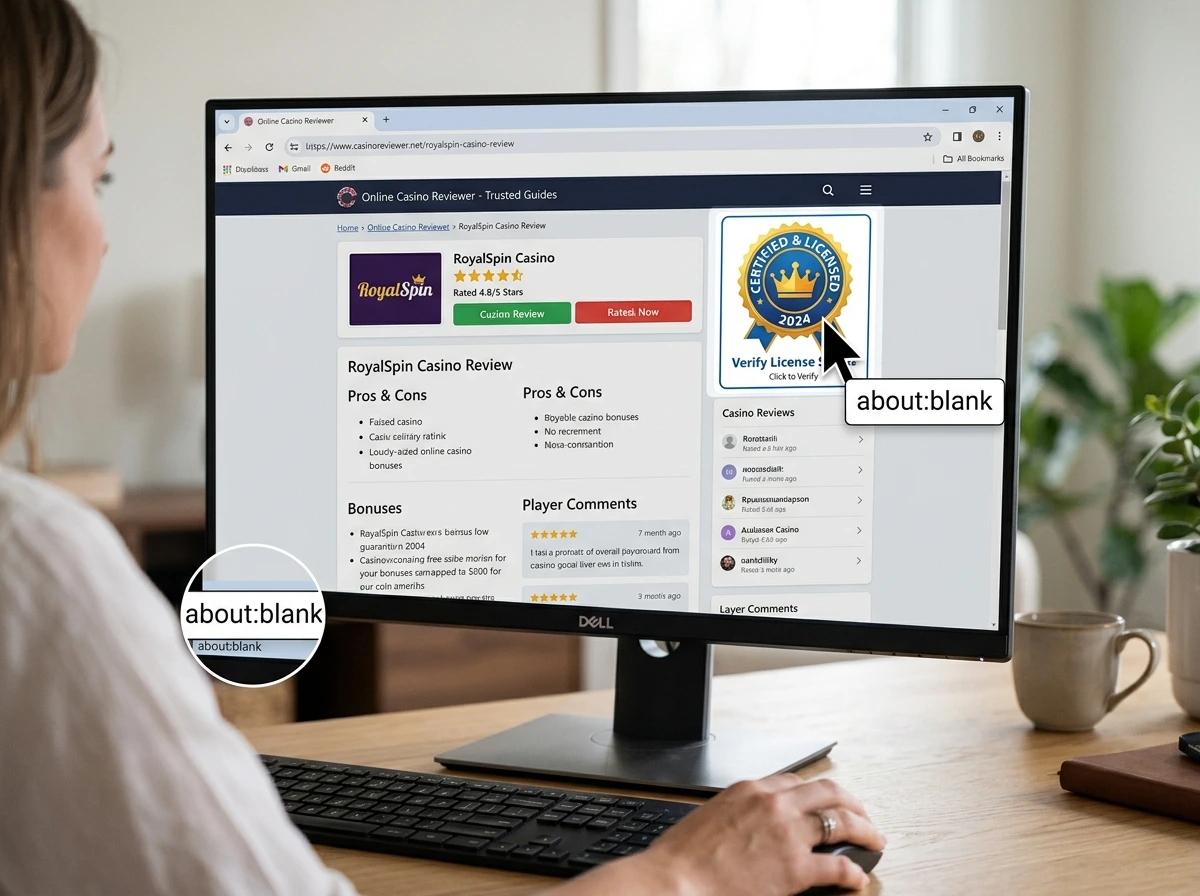
Some affiliate sites are more deliberately deceptive. I’ve documented sites that display fabricated DGOJ licence numbers, invented regulatory certifications, and security badges that link to nothing. Others claim to «verify» casinos through proprietary testing that amounts to nothing more than confirming the site loads and accepts deposits. The word «verified» appears frequently in affiliate content, but the verification is the affiliate confirming that the casino’s affiliate programme pays commissions — not that the casino is legitimate, licensed, or safe.
The SEO dynamics amplify the problem. Affiliate sites invest heavily in search engine optimisation, producing volumes of content specifically designed to rank for gambling-related search terms. A player searching for «casinos online España» or «mejores tragamonedas» encounters affiliate content that has been engineered to appear authoritative. The search engine can’t distinguish between genuinely informative content and commission-optimised content — it measures relevance signals like keyword density, backlinks, and user engagement, all of which affiliates are skilled at manipulating. The result is that the most commercially motivated content often appears first in search results.
The 48.6% of Spanish players who may be operating in the unregulated market — combining knowing and unknowing users — includes a substantial proportion whose path to an offshore casino passed through an affiliate site. These players trusted a recommendation. They followed a link. They deposited money at a casino they believed was legitimate because a review site told them it was. The affiliate earned a commission. The player lost access to every protection the regulated market provides.

How to Identify Commission-Driven Casino Recommendations
Several patterns distinguish commission-driven affiliate content from legitimate reviews. A site that features an offshore casino in its top recommendation without mentioning its licensing status — or with vague references to «international licences» instead of specifying the DGOJ — is prioritising commissions over accuracy. A site that never recommends a DGOJ-licensed casino, or buries licensed options below multiple offshore alternatives, has structured its content around commission rates.
The absence of critical content is equally telling. Genuine casino reviews acknowledge risks: slow payouts, restrictive bonus terms, licensing limitations. Commission-driven reviews present overwhelmingly positive assessments because negative content reduces click-through rates and, therefore, commissions. If every casino on a review site scores 4.5 or higher out of 5, the ratings aren’t measuring quality — they’re measuring willingness to pay commissions.
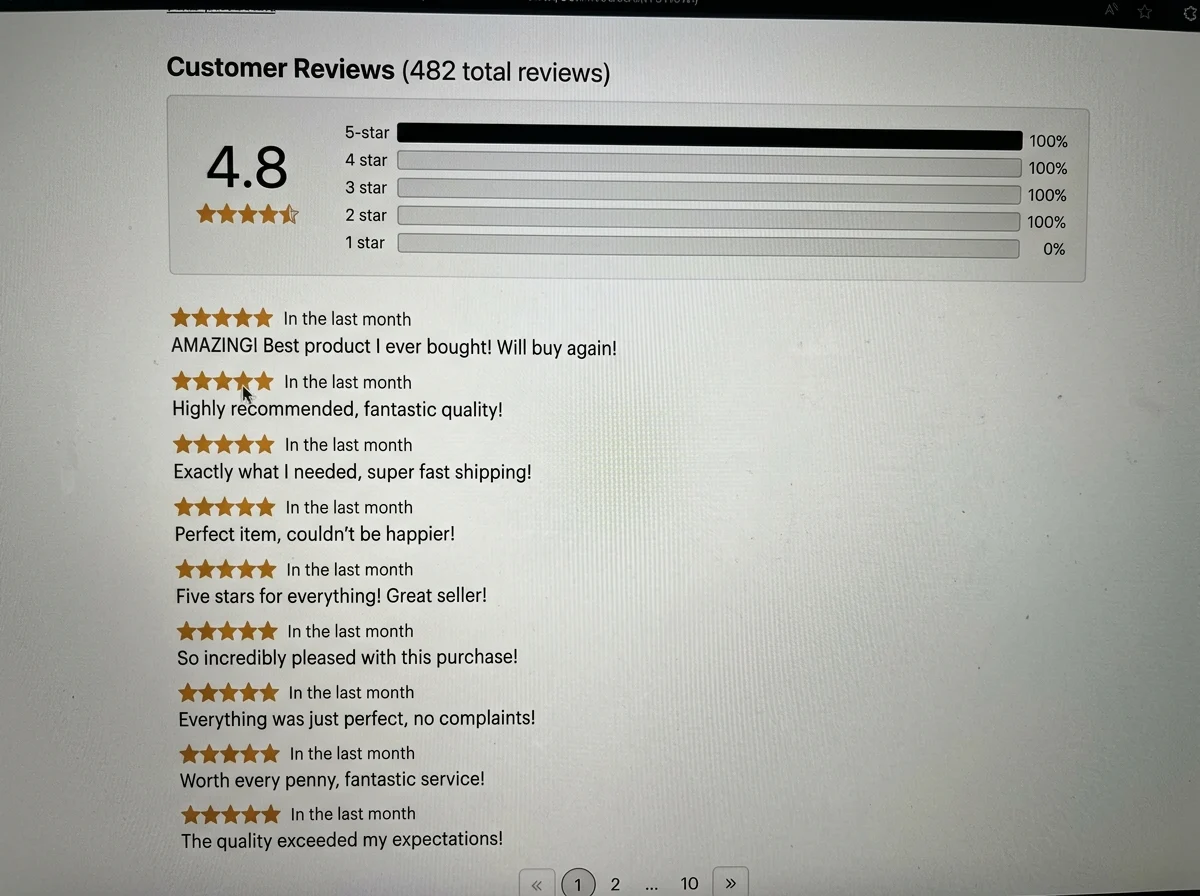
Another indicator is the treatment of player complaints. Legitimate review sites incorporate player feedback, including negative experiences, and update their assessments when operators develop patterns of problematic behaviour. Commission-driven sites bury or delete negative comments because visible complaints reduce conversion rates. A review site with hundreds of positive comments and zero negative ones isn’t well-moderated — it’s censored. The absence of criticism is itself a red flag that the site prioritises operator relationships over player information.
Jorge Hinojosa, Director General of Jdigital, has characterised illegal gambling as a real risk for thousands of users who fall outside any guarantee. The affiliate ecosystem amplifies that risk by presenting unlicensed operators as equivalent to — or better than — licensed ones. Players who rely on affiliate recommendations to choose a casino are making decisions based on information systematically distorted by financial incentives that favour the operators least likely to protect them. Understanding that bias is the first step toward navigating around it, and checking for a valid DGOJ or other major licence independently of any review site remains the most reliable approach.
FAQ
How do casino affiliate sites make money?
Casino affiliate sites earn commissions through revenue-share agreements with operators. When a player registers through an affiliate link and deposits money, the affiliate receives a percentage of that player’s net losses — typically 25% to 45% — for the player’s entire lifetime at the casino. This model creates a financial incentive for affiliates to recommend casinos that generate the highest per-player losses, which tends to favour offshore operators without deposit limits or responsible gambling interventions.
How can I tell if a casino review site is promoting unlicensed operators?
Key indicators include: featuring offshore casinos in top recommendations without mentioning their lack of DGOJ licence; using vague terms like ‘international licence’ instead of specifying the regulatory body; displaying fabricated certification badges; giving uniformly high ratings to every listed casino; and never acknowledging the risks of playing at unlicensed operators. Always verify an operator’s licence independently through the DGOJ’s official registry rather than relying on affiliate site claims.