


Contenido
The first time I watched a live dealer game from a studio I couldn’t identify, I noticed something odd: the dealer’s name badge was blurred, the studio had no visible branding, and the chat moderator was responding in three languages simultaneously. That’s what a white-label live dealer operation looks like from the player’s side — and it’s the default at most offshore casinos. Understanding what sits behind the camera tells you more about a platform’s legitimacy than almost any other signal.
How Live Dealer Studios Operate at DGOJ-Licensed Casinos
At a DGOJ-licensed casino, live dealer games are provided by studios that hold their own regulatory certifications. Evolution, Pragmatic Play Live, and a handful of other major providers operate dedicated studio facilities where every aspect of the operation is audited: the card shuffles, the roulette wheel calibration, the random number generators that determine game outcomes where applicable, and the video stream integrity. The studio’s equipment undergoes regular testing by accredited labs, and the results are reported to the regulator.
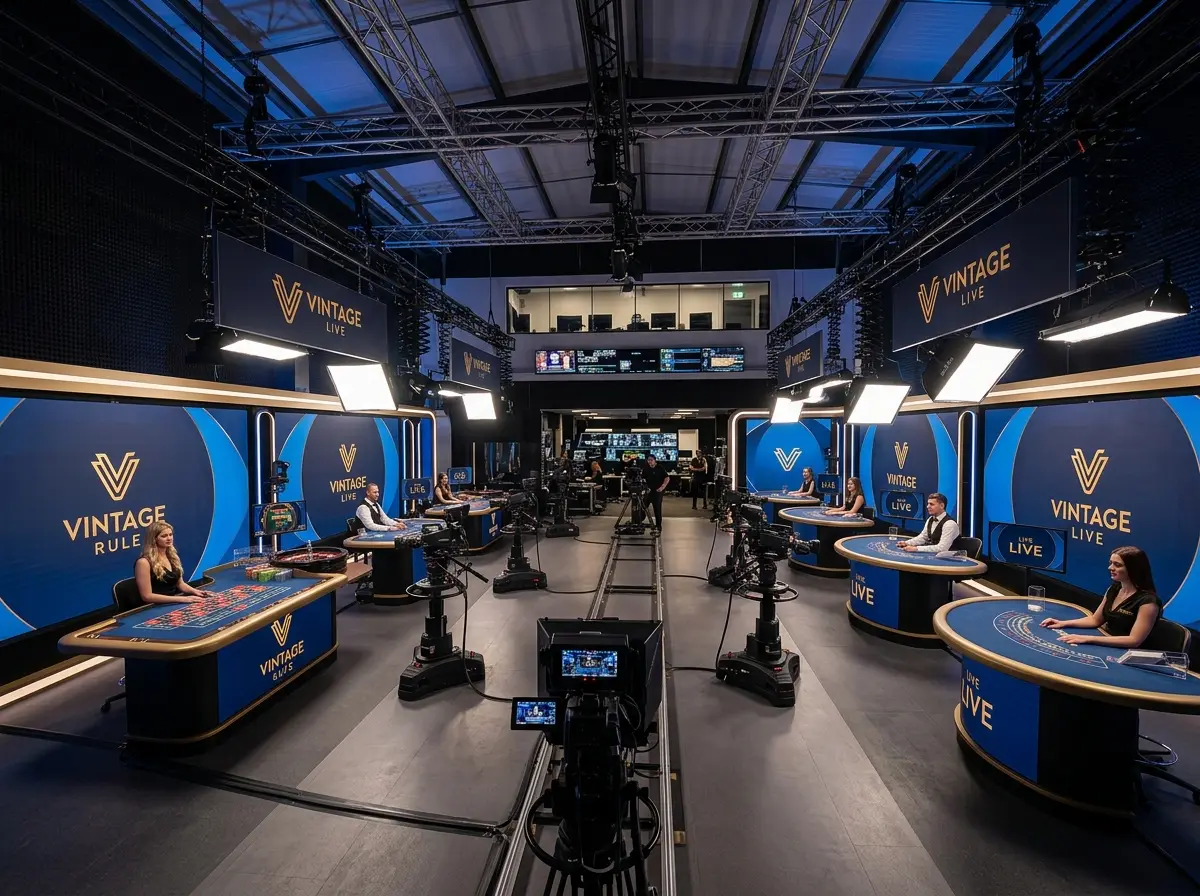
Online casino generated 893 million euros in Spain’s regulated market in 2025, and live dealer games represent a growing share of that figure. The appeal is straightforward: live dealer games replicate the social and visual experience of a physical casino while retaining the convenience of online play. You see real cards dealt by a real person, watch a physical roulette wheel spin, and interact with the dealer through a chat interface. The experience feels transparent because you’re watching the game happen in real time rather than relying on a software algorithm.
That transparency has regulatory substance behind it. At DGOJ-licensed studios, the dealing procedures, card shoe composition, and game rules are specified in advance and verified by independent auditors. The video streams are recorded and archived, creating a complete audit trail for every hand, spin, and bet. If a dispute arises, the regulator can review the footage and the game logs to determine what happened.

What Changes at Offshore Live Dealer Tables
Offshore casinos access live dealer content through licensing agreements with the same major providers — or through white-label arrangements with smaller, less regulated studios. The distinction matters enormously. When an offshore casino offers Evolution tables, the game integrity is maintained by Evolution’s own standards regardless of the operator’s regulatory status. The studio doesn’t change its procedures based on who’s distributing the stream.
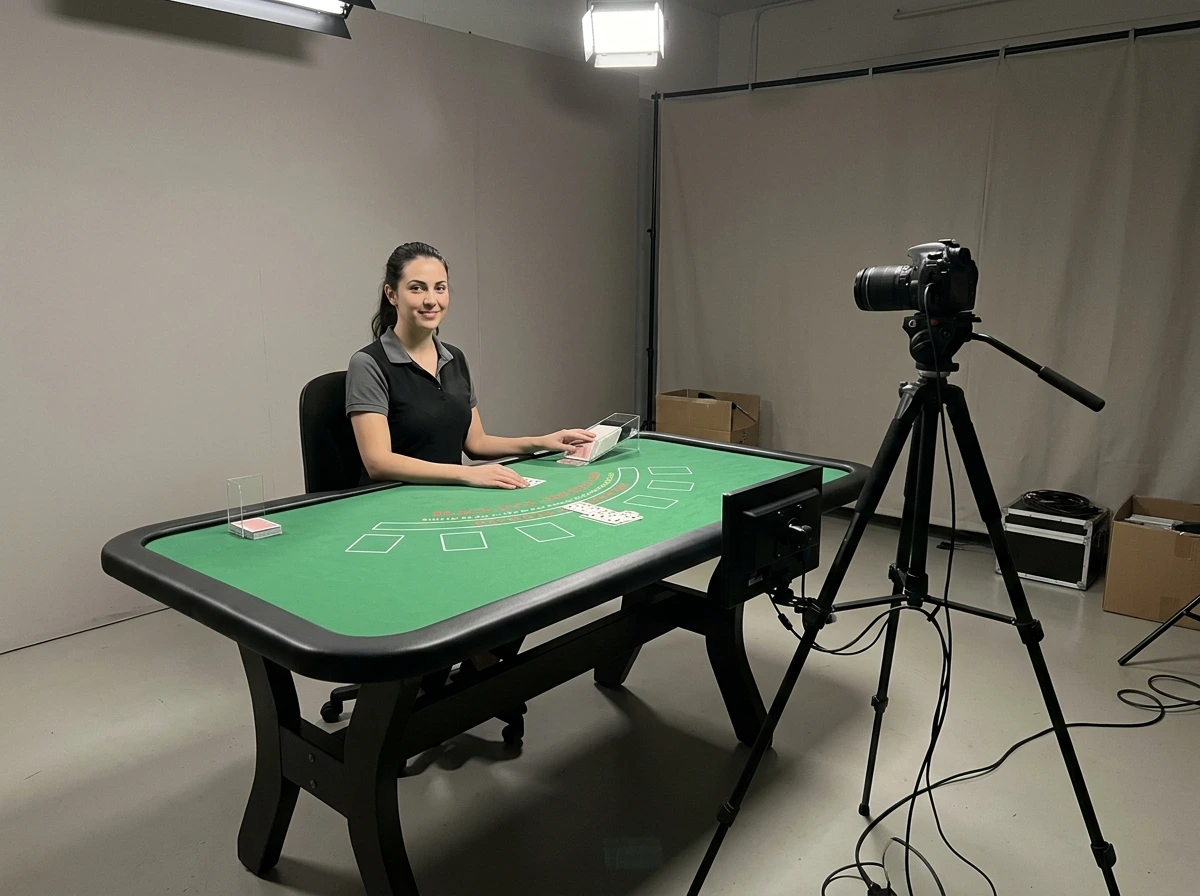
The risk emerges with lesser-known studios. Some offshore casinos use live dealer providers that operate from jurisdictions with no gaming regulation — studios where the card handling procedures aren’t audited, the equipment calibration isn’t verified, and the video streams aren’t archived by any independent party. I’ve encountered live dealer games where the stream quality dropped to a level that made it impossible to verify card values, and games where the dealer’s hand movements were partially obscured by camera angles that felt deliberate rather than accidental.
The studio location matters more than most players realise. Regulated studios in Malta, Latvia, and the Philippines operate under gambling authority oversight that includes unannounced inspections, equipment recertification, and dealer training audits. Studios operating from unregulated locations face none of these requirements. The physical environment — camera coverage, card shoe design, shuffle procedures — is the foundation of live dealer integrity, and without external verification, the player has no way to assess whether that foundation is solid.
The player’s position at an offshore live dealer table is fundamentally different from a DGOJ-licensed one even when the game provider is the same. At a licensed casino, the operator must honour the game’s outcome and process your withdrawal. At an offshore casino, the game provider delivers the content, but the operator controls the financial relationship. An offshore operator can delay or deny a withdrawal after a live dealer win by citing terms violations, bonus conditions, or verification requirements — actions that the game provider has no authority to override. The game is fair. The payout isn’t guaranteed. The gap between those two things is where the risk lives for players accessing live dealer content through offshore payment channels.

The Audit Trail Gap Between Regulated and Unregulated Streams
When something goes wrong at a DGOJ-licensed live dealer table — a disputed card, a software glitch, a payout error — there’s a clear path to resolution. The operator must investigate, the game provider can supply archived footage and server logs, and the DGOJ can compel both parties to cooperate. The audit trail exists because regulation requires it.
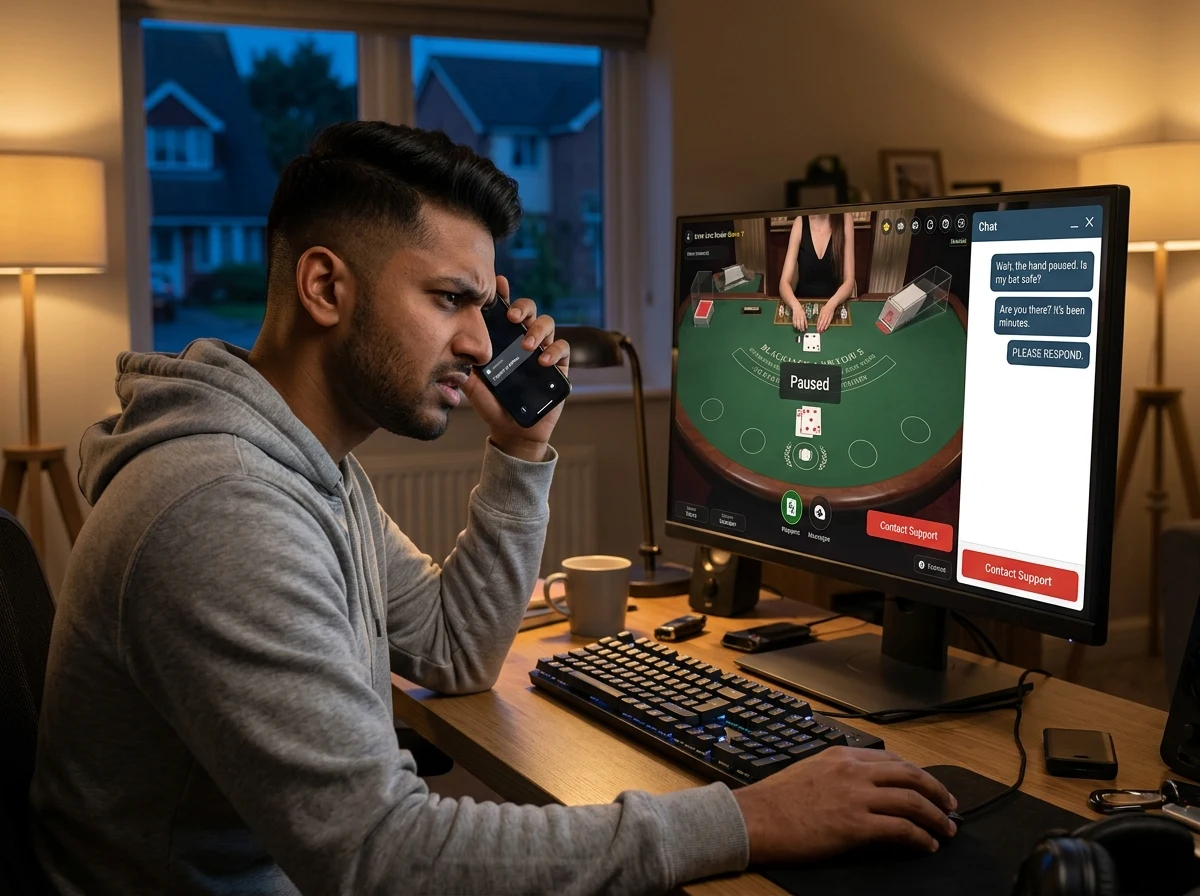
At an offshore casino, that trail may or may not exist. If the game provider is a major regulated studio, they’ll have their own records. But if the operator disputes the outcome or refuses payment, the player has no regulator to escalate to. The game provider’s records prove the game was fair, but they can’t force the operator to pay. And if the game provider is an unregulated studio, even the game records may be incomplete or unavailable.
The distinction between game-level integrity and operator-level integrity is critical and frequently misunderstood. A player who sees a regulated game provider’s logo at an offshore casino assumes the entire experience is protected. It’s not. The game provider controls the cards and the mathematics. The operator controls the money. These are separate relationships with separate accountability structures, and at an offshore casino, only the game provider’s side has any regulatory substance behind it.
Roughly 14% of young online players aged 18 to 25 show symptoms of gambling disorder, and live dealer games — with their social atmosphere, real-time interaction, and extended session lengths — are particularly engaging for players who struggle with session control. The combination of high engagement and limited player protection at offshore live dealer tables creates a specific risk profile that the regulated market’s oversight mechanisms are designed to address.
FAQ
Are live dealer games at offshore casinos using the same studios as licensed ones?
Some offshore casinos offer live dealer games from major regulated studios like Evolution, which maintain their own integrity standards regardless of the distributing operator. However, many offshore casinos also use white-label or unregulated studios where dealing procedures, equipment calibration, and video archiving may not meet independent audit standards. The game provider’s reputation and the operator’s regulatory status are separate questions.
Can a live dealer game be rigged at an offshore casino?
If the live dealer content comes from a major regulated studio, the game itself is subject to the provider’s internal controls and external audits. The risk at offshore casinos is less about game rigging and more about payout reliability: an operator can acknowledge a legitimate win but delay or refuse the withdrawal. The game’s fairness and the operator’s willingness to pay are independent variables.