

Contenido
I once reviewed the transaction logs of a player who had deposited over 12,000 euros in a single weekend at an offshore casino. No alerts triggered, no cooling-off prompts appeared, no limits kicked in. At a DGOJ-licensed operator, that sequence would have been impossible — or at least interrupted. The absence of deposit limits is one of the most tangible differences between regulated and unregulated gambling, and it’s one of the most dangerous.
Player deposits in Spain’s regulated market reached 4,322.46 million euros in 2025, all flowing through systems with built-in spending controls. The offshore market has no equivalent guardrails, and the consequences show up in the data on gambling harm.
DGOJ Deposit Caps: What the Regulated Market Enforces
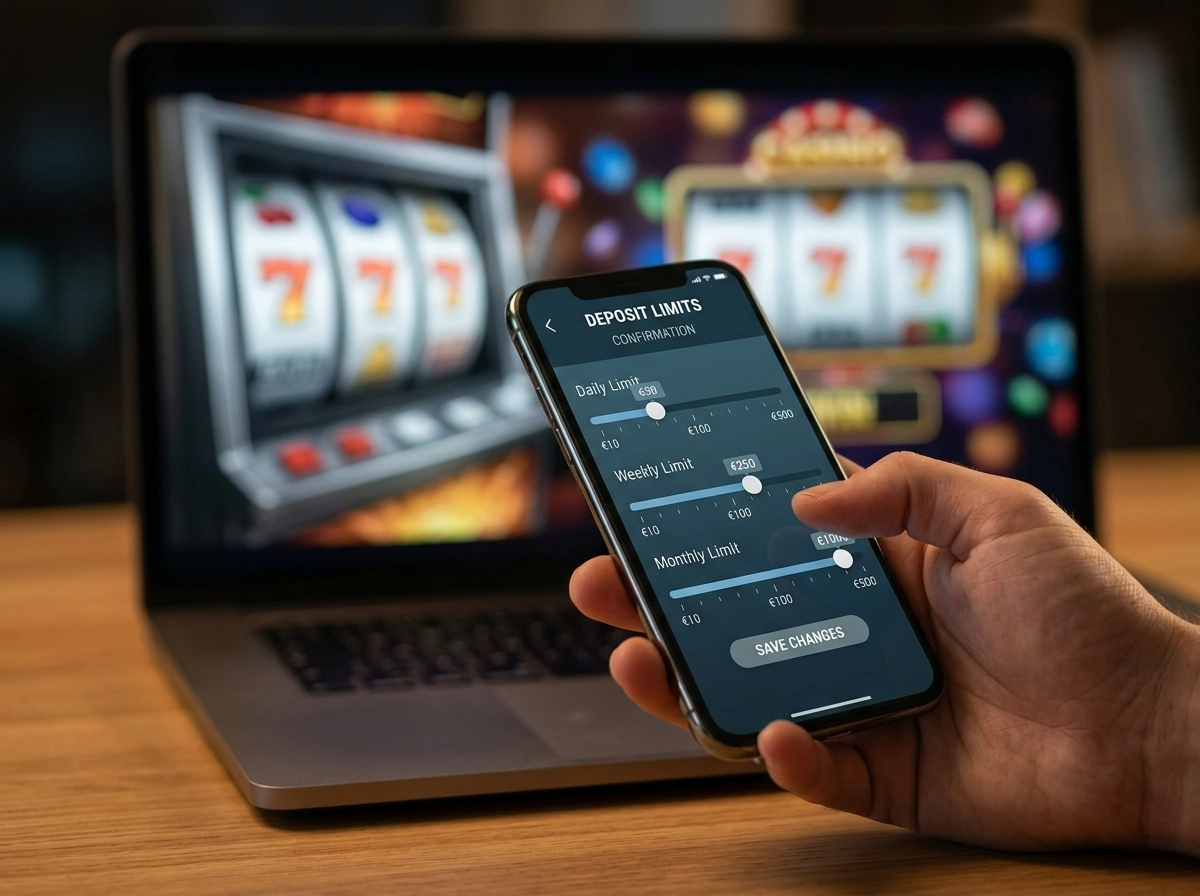
When you open an account at a DGOJ-licensed casino, you set deposit limits during registration. This isn’t optional — the operator must present the option and record the player’s choice. You can set daily, weekly, or monthly caps. Once those limits are reached, the system blocks further deposits until the next period begins. Increasing your limit requires a cooling-off period — typically 24 to 72 hours — that prevents impulsive adjustments during a losing session.

The DGOJ’s Safe Gambling Programme 2026-2030 goes further. It introduces centralised cross-platform deposit limits, meaning your spending cap would apply across all licensed operators simultaneously. Currently, a player with accounts at five different DGOJ-licensed casinos can hit five separate deposit limits. Centralisation closes that loophole by tracking total spending across the entire regulated market. This is a significant operational undertaking, and it positions Spain at the leading edge of European player protection infrastructure.

The rationale is straightforward. Deposit limits create friction between impulse and action. They don’t prevent gambling — they prevent gambling beyond a threshold the player set during a calm, considered moment. The cooling-off period for limit increases adds a second layer: even if you want to spend more, you can’t do it in the heat of a session. These are basic behavioural design principles applied to a product category where impulsive spending has documented health consequences.
It’s worth noting that most DGOJ-licensed operators also implement net deposit limits — tracking the difference between what you’ve deposited and what you’ve withdrawn. This means that if you deposit 500 euros and withdraw 300, only 200 counts against your limit. The net approach is more player-friendly than gross deposit tracking and reflects the DGOJ’s attempt to balance protection with playability. Offshore casinos that do offer limits rarely make this distinction, typically tracking gross deposits if they track anything at all.
Why Offshore Casinos Remove Deposit Limits
An offshore operator who imposes deposit limits is voluntarily reducing their revenue. There’s no regulatory requirement to do so under Curaçao, and most jurisdictions that licence offshore casinos don’t mandate spending controls. The economic incentive runs in the opposite direction: the more a player deposits, the more the house edge generates in revenue. Removing limits maximises the revenue extraction from every player session.

Nearly half of all surveyed players — 48.6% — may be operating in the unregulated market, combining those who know they’re on unlicensed sites with those who don’t realise it. For this population, the absence of deposit controls means that the only limit on spending is the player’s own willpower and bank balance. No system intervenes. No alert fires. No cooling-off period interrupts the cycle of deposit, play, lose, deposit again.
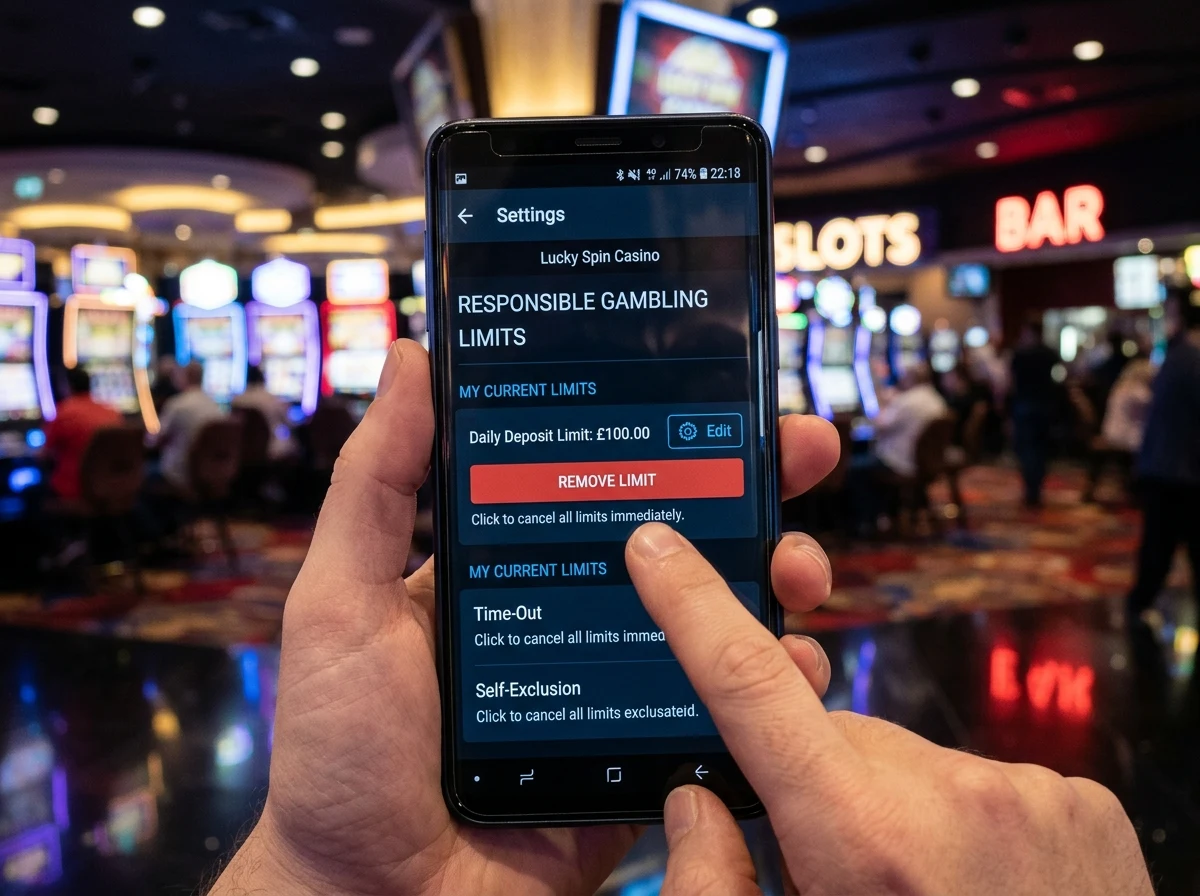
Some offshore casinos do offer voluntary deposit limits as a self-regulation gesture. I’ve tested these at several operators, and the implementation varies wildly. Some honour the limits consistently. Others allow players to remove or increase limits instantly, without any waiting period — which defeats the entire purpose. A deposit limit that can be removed in the middle of a session is a decorative feature, not a protection mechanism.
The marketing angle is worth noting too. Offshore casinos actively advertise the absence of deposit limits as a benefit — «no restrictions,» «play without limits,» «full freedom.» These phrases reframe the absence of a safety mechanism as a product advantage. It’s the equivalent of advertising a car without seatbelts as offering «unrestricted driving comfort.» The framing works because it aligns with the player’s immediate desire — unrestricted access to their own money — while obscuring the long-term consequences of removing the protective barrier.
The Link Between Unlimited Deposits and Gambling Disorder
Approximately 4.3% of Spain’s adult population has faced gambling-related problems, and roughly 14% of young online players aged 18 to 25 show symptoms of gambling disorder. The research on deposit limits and gambling harm is directionally clear: spending controls reduce the intensity of harmful gambling episodes. They don’t eliminate gambling disorder, but they interrupt the escalation pattern — the moment when a player who intended to spend 100 euros ends up spending 1,000.

The relationship between unlimited deposits and harm isn’t theoretical. Murcia, which leads Spain’s gambling disorder ranking with 283 cases per 100,000 adults and the highest per-capita online spending at 836 euros per player per year, illustrates how spending intensity correlates with harm. When deposit limits are absent, the ceiling on spending is set by the player’s financial capacity, not by any protective mechanism. For players experiencing a gambling episode — a period of impaired decision-making driven by chasing losses, emotional distress, or compulsive behaviour — the absence of a limit means the episode continues until the money runs out.
The offshore market’s removal of deposit limits isn’t an accident or an oversight. It’s a deliberate product decision that prioritises revenue over player welfare. Understanding that distinction is essential for anyone weighing the trade-offs between regulated platforms with built-in protections and offshore alternatives that offer none.
FAQ
What are the current DGOJ-mandated deposit limits for Spanish online casinos?
DGOJ-licensed operators must offer players the option to set daily, weekly, and monthly deposit limits during account registration. The specific amounts are chosen by the player, but the operator must present the option and enforce the chosen limits. Increasing a deposit limit requires a cooling-off period of 24 to 72 hours. The upcoming Safe Gambling Programme 2026-2030 will introduce centralised cross-platform limits that apply across all licensed operators simultaneously.
Is there any self-imposed limit option at offshore casinos?
Some offshore casinos offer voluntary deposit limits as a responsible gambling feature, but implementation varies significantly. At some operators, limits can be set and honoured consistently. At others, limits can be removed or increased instantly without any cooling-off period, which undermines their protective function. There is no regulatory standard requiring offshore casinos to offer or enforce deposit limits.