Contenido
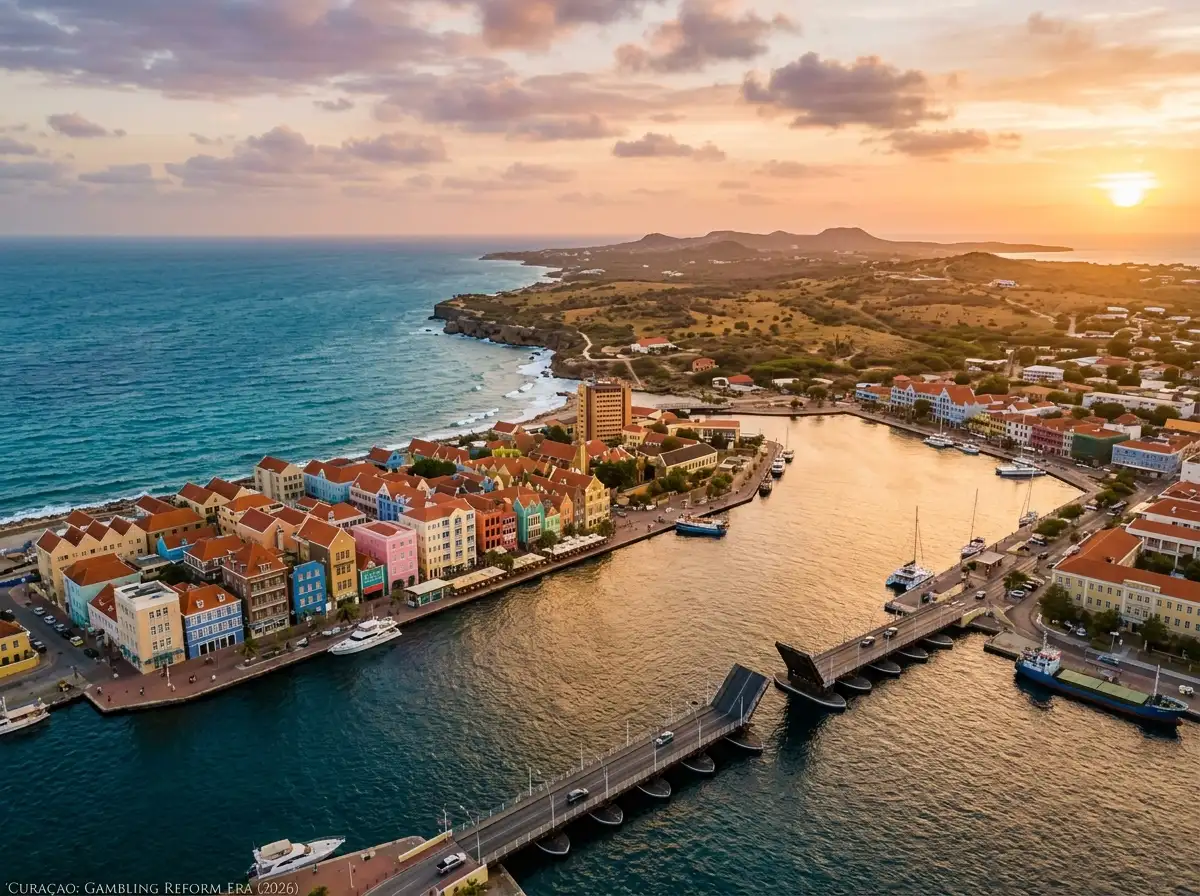
I spent the better part of 2024 explaining to operators why their Curaçao sub-licence was about to become worthless. Most of them didn’t believe me until the letters started arriving. The LOK framework — Curaçao’s Landsverordening op de Kansspelen — took effect in December 2024, and by January 2025 every single sub-licence issued under the old master-licence system had expired. This wasn’t a soft transition or a grace period. It was a hard cut-off that reshaped the offshore licensing landscape overnight.
For nine years I’ve tracked how jurisdictions regulate — or fail to regulate — online gambling operators. Curaçao’s reform is the most significant structural change I’ve seen in offshore licensing since Malta established the MGA. Whether you’re evaluating an operator’s credentials or simply trying to understand what a «Curaçao licence» means in 2026, the old playbook no longer applies. Here’s what actually changed and why it matters.
How the Old Sub-Licence System Worked
Picture a franchise model — except instead of selling burgers, you’re selling the right to operate online casinos with virtually no oversight. That’s essentially what Curaçao’s master-licence system was.
The government issued a handful of master licences to local entities. Those master licence holders then sold sub-licences to hundreds — sometimes thousands — of individual operators. The master licence holder collected fees. The operators got a licence number to display on their website. And the actual regulatory oversight? It was, to put it generously, minimal. I reviewed operator portfolios under this system for years, and the pattern was always the same: a licence number in the footer, a generic compliance page, and no practical mechanism for players to file complaints or resolve disputes.

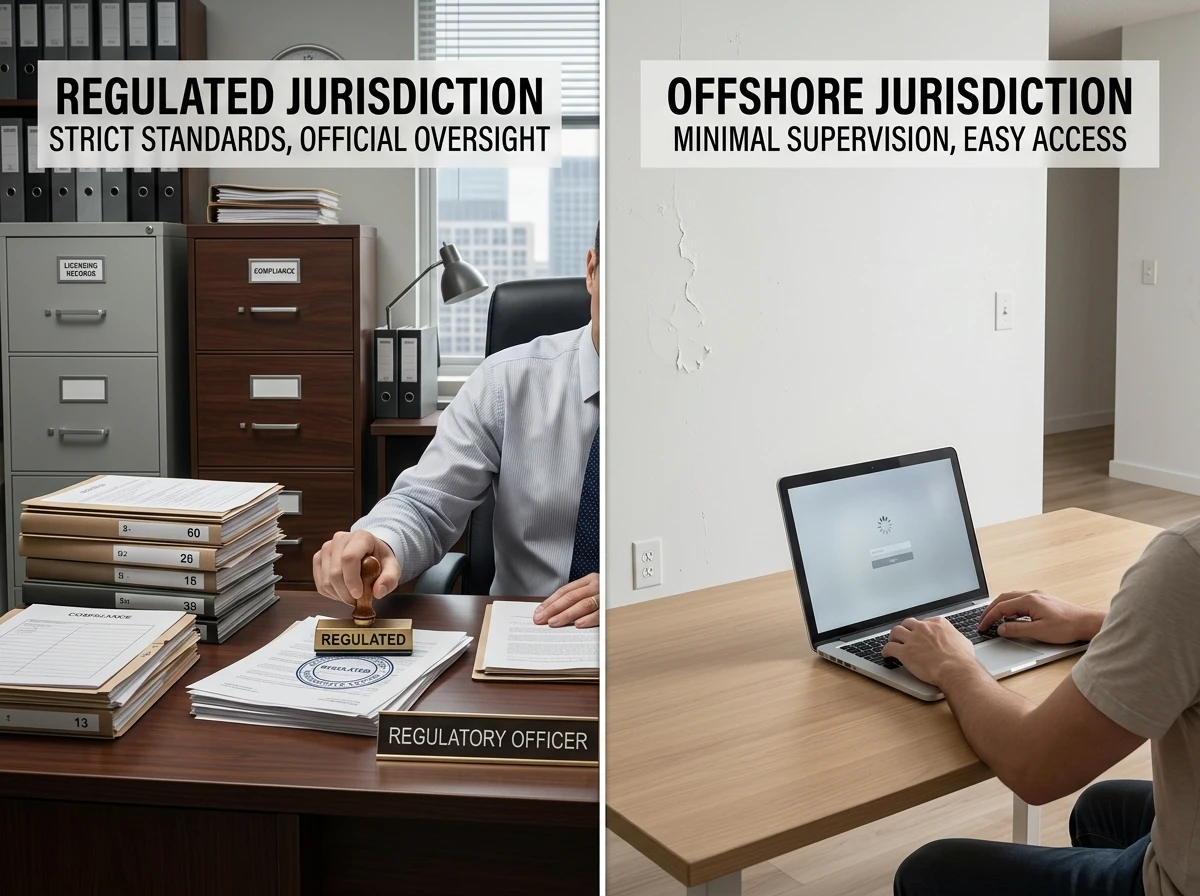
The sub-licence holders had no direct relationship with any government regulator. Their only contractual obligation was to the master licence holder, who had limited incentive or capacity to police hundreds of operators across dozens of jurisdictions. Player protection was theoretical at best. If an operator refused to pay out winnings, the player’s recourse was to complain to the master licence holder — who had no enforcement power and no legal obligation to intervene. KYC requirements existed on paper but were enforced inconsistently. Anti-money laundering controls were rudimentary. And because the master licence holders themselves faced minimal regulatory scrutiny, the entire chain operated in a regulatory grey zone that gave «licensed» a meaning far removed from what players in regulated markets would expect.
This system made Curaçao the jurisdiction of choice for operators who wanted the appearance of legitimacy without the cost or constraints of genuine regulation. At its peak, estimates suggest thousands of gambling sites operated under just four or five master licences. The cost of entry was low — often a few thousand dollars per year — and the regulatory burden was negligible.

What the LOK Framework Changed in December 2024
The phone calls I got in late 2024 all started the same way: «So what do we actually need to do now?» The answer was straightforward but expensive. The LOK framework abolished the entire sub-licence pyramid and replaced it with direct licensing through a new body — the Curaçao Gaming Authority, or CGA. Every operator that wanted to continue using a Curaçao licence now had to apply individually, directly, to the CGA.
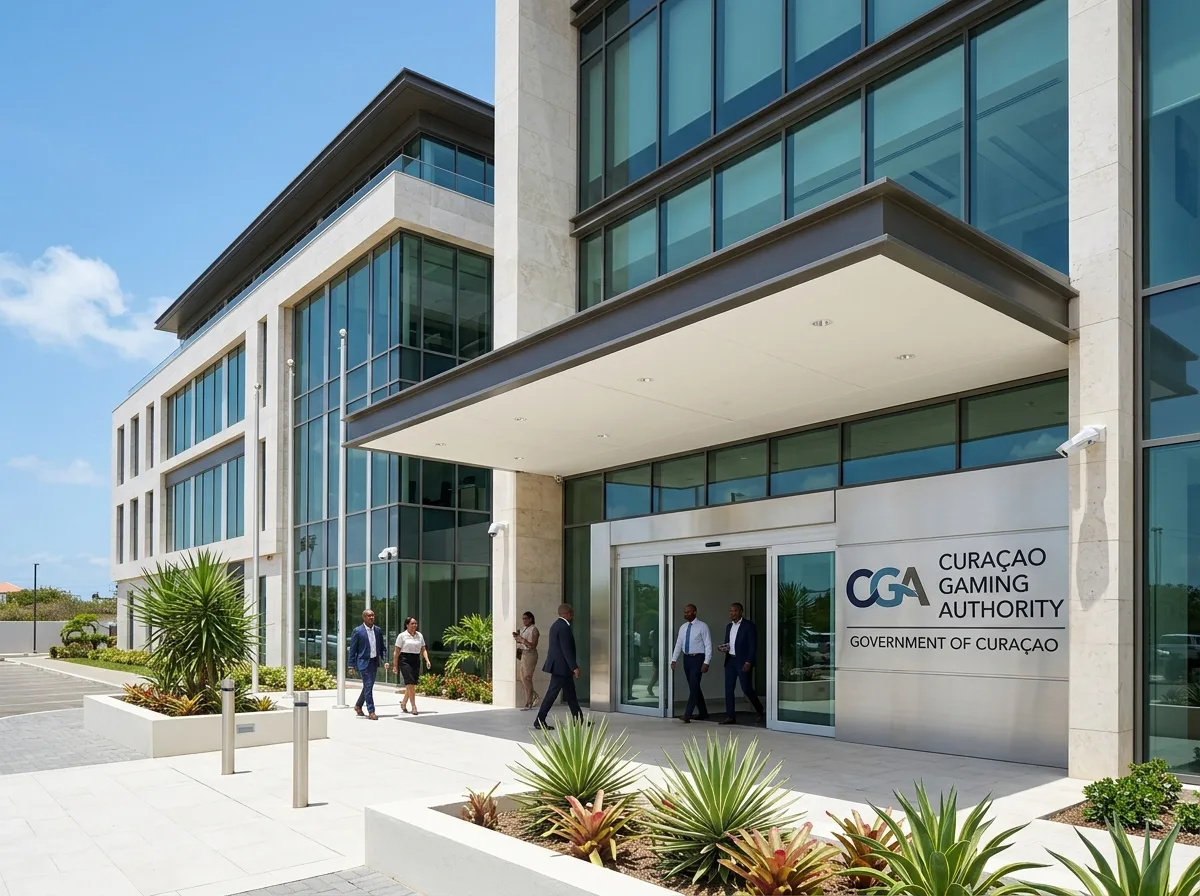
This is not a cosmetic rebrand. The structural change is fundamental. Under the old system, an operator’s relationship was with a private master licence holder. Under the LOK, it’s with a government regulator. The CGA has the authority to audit operators, investigate complaints, suspend licences, and impose sanctions — powers that master licence holders never had and never exercised. The estimated annual cost of maintaining a licence under the new framework sits around 47,000 euros, a sharp increase from the bargain-basement fees of the sub-licence era. That figure alone has filtered out a significant number of operators who relied on Curaçao precisely because it was cheap.
The LOK also introduces specific requirements that didn’t exist before: mandatory responsible gambling tools, clearer KYC procedures, segregation of player funds, and formal complaint resolution mechanisms. Operators must demonstrate technical compliance, financial stability, and the fitness of their key personnel. These are standard requirements in jurisdictions like Malta or Gibraltar, but for Curaçao they represent a generational leap.
One detail that often gets overlooked: Curaçao still doesn’t apply specific GGR taxes on gambling revenue. However, since January 2025, a 15% minimum tax applies to multinationals with over 750 million euros in consolidated revenue — part of the global OECD Pillar Two framework. For the vast majority of Curaçao-licensed operators, which are small to mid-sized, the direct tax burden remains low. The cost increase comes from compliance, not taxation.

The transition timeline was tight. The LOK took effect in December 2024, and all old sub-licences expired in January 2025. Operators who didn’t secure a new CGA licence by that deadline were, from a legal standpoint, operating without any licence at all. I know of operators who missed the window and continued operating for weeks before quietly shutting down or relocating to even less regulated jurisdictions.
What the Reform Means for Casino Players
So does all of this make a Curaçao licence trustworthy now? That’s the question I get asked most often, and the honest answer is: more trustworthy than before, but still not equivalent to an MGA or UKGC licence. The reform is genuine. The CGA is a real regulator with real powers. But institutions don’t mature overnight, and enforcement track records take years to build.
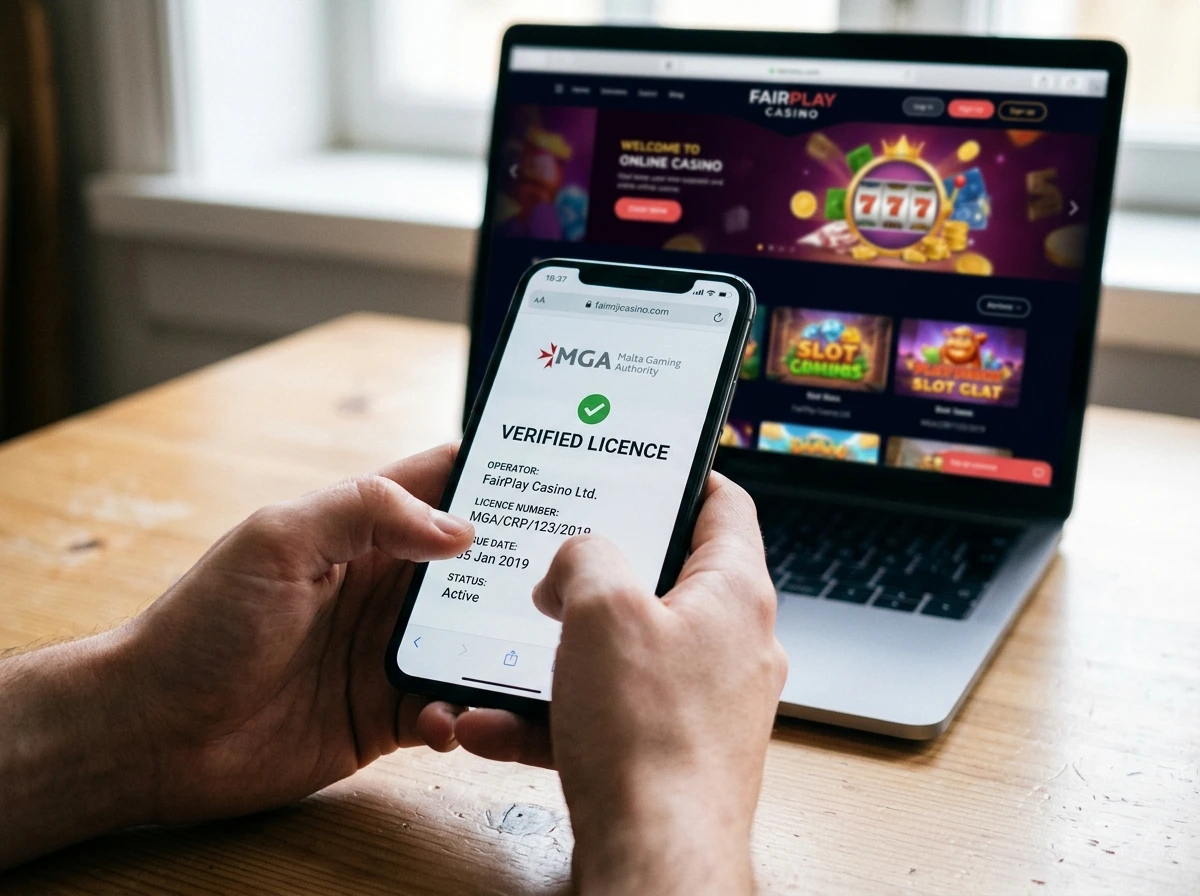
What has changed concretely for players is the complaint pathway. Under the old system, there was nowhere to go. Under the CGA, there is at least a formal regulator to contact. Whether that regulator has the capacity and political will to pursue complaints aggressively remains to be seen — it’s still early. Maarten Haijer, Secretary General of the European Gaming and Betting Association, has noted that overly restrictive regulations risk pushing people toward unregulated operators and undermining the purpose of regulation. The flip side of that argument is that under-resourced regulators risk creating a false sense of security. Curaçao’s challenge is proving it can deliver on the promises the LOK framework makes.
For anyone evaluating an operator’s Curaçao credentials in 2026, the first and most important check is whether they hold a direct CGA licence — not a reference to the old sub-licence system. If an operator’s website still mentions a master licence holder by name, or displays a licence number in the old format, that’s a red flag. The comparison between Curaçao, Malta, and Gibraltar licensing frameworks helps put these differences in practical context. The old Curaçao licence was a rubber stamp. The new one is a step toward genuine regulation. But a step is not the destination, and treating the two as equivalent would be a mistake I’ve seen too many commentators make already.
FAQ
Did casinos with old Curaçao sub-licences automatically receive new CGA licences?
No. The old sub-licences expired in January 2025 with no automatic conversion. Every operator had to apply individually to the Curaçao Gaming Authority for a direct licence under the new LOK framework. Operators that did not complete this process lost their licensed status entirely.
How much does a direct Curaçao CGA licence cost annually?
The estimated annual cost of maintaining a Curaçao licence under the LOK framework is approximately 47,000 euros. This represents a significant increase over the old sub-licence fees, which were often just a few thousand dollars per year, and reflects the higher compliance standards the CGA now requires.