

Contenido
The email arrived at 2 AM: a player I’d been advising had won 8,400 euros at an offshore casino, requested a withdrawal, and received a message saying his account was under review for «bonus abuse.» Three weeks later, the casino voided the winnings entirely, citing a clause buried in paragraph 14 of their terms. His options? Email a support address that stopped responding. That’s the full extent of dispute resolution at most offshore casinos. No regulator. No ombudsman. No recourse.
The DGOJ Complaint Mechanism: What Happens When You File
At a DGOJ-licensed casino, disputes follow a structured pathway. The player first contacts the operator’s customer service and files a formal complaint. The operator has a mandated response period — typically 30 days — to investigate and respond. If the player is unsatisfied with the operator’s resolution, they can escalate the complaint to the DGOJ itself.
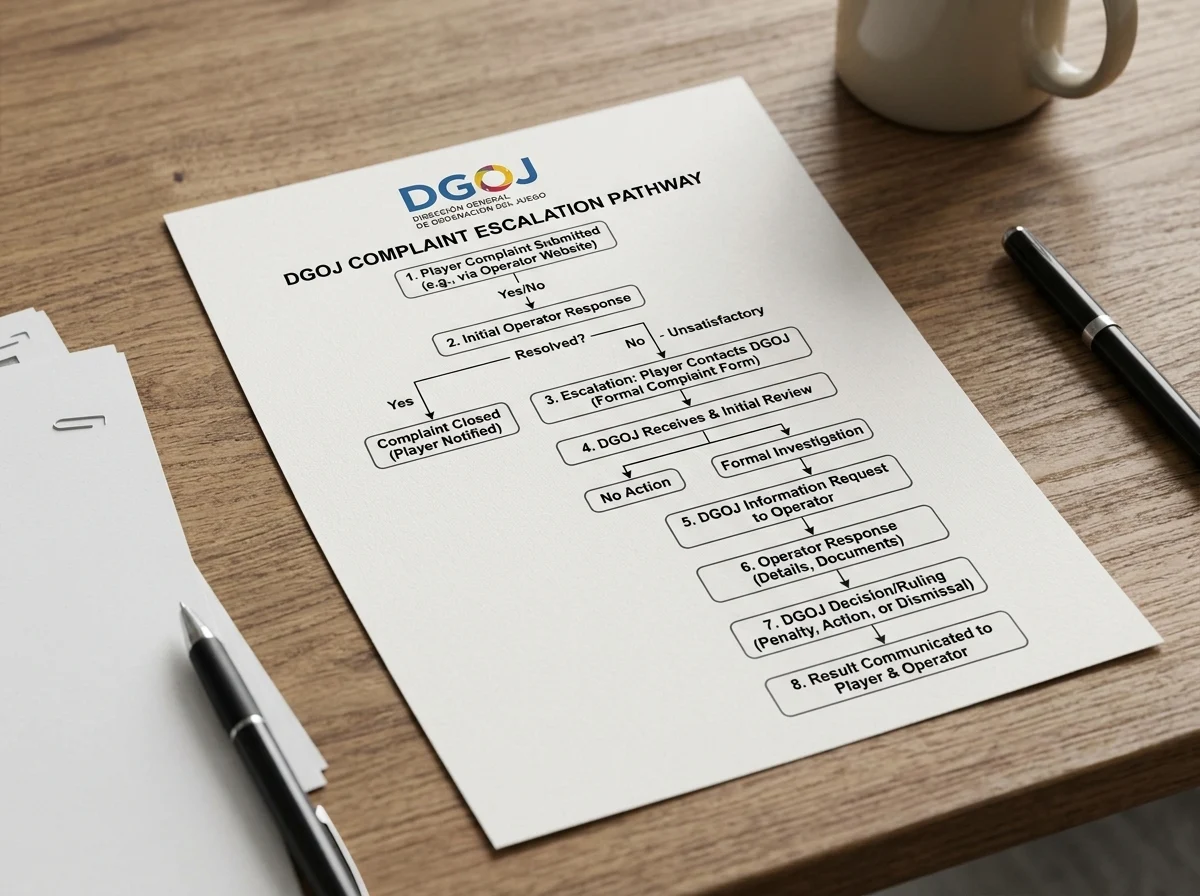
The DGOJ reviews escalated complaints with access to the operator’s transaction logs, game records, and correspondence. The regulator has the authority to compel the operator to provide documentation, to investigate the merits of the complaint, and to impose sanctions if it finds the operator acted improperly. Sanctions can include fines, licence conditions, and in severe cases, licence suspension or revocation. The operator’s licence — their permission to operate in a market generating 1,700.55 million euros in annual GGR — is the regulatory leverage that makes this system work. An operator that ignores DGOJ complaints risks losing access to the entire Spanish market.
The system isn’t instant or perfect. Complaints take time to investigate. The DGOJ handles a volume of cases that can create backlogs. Not every complaint is upheld — sometimes the operator’s terms are clear, and the player’s objection doesn’t have regulatory merit. But the system exists, it functions, and it provides a meaningful path from complaint to resolution that doesn’t depend on the operator’s goodwill.
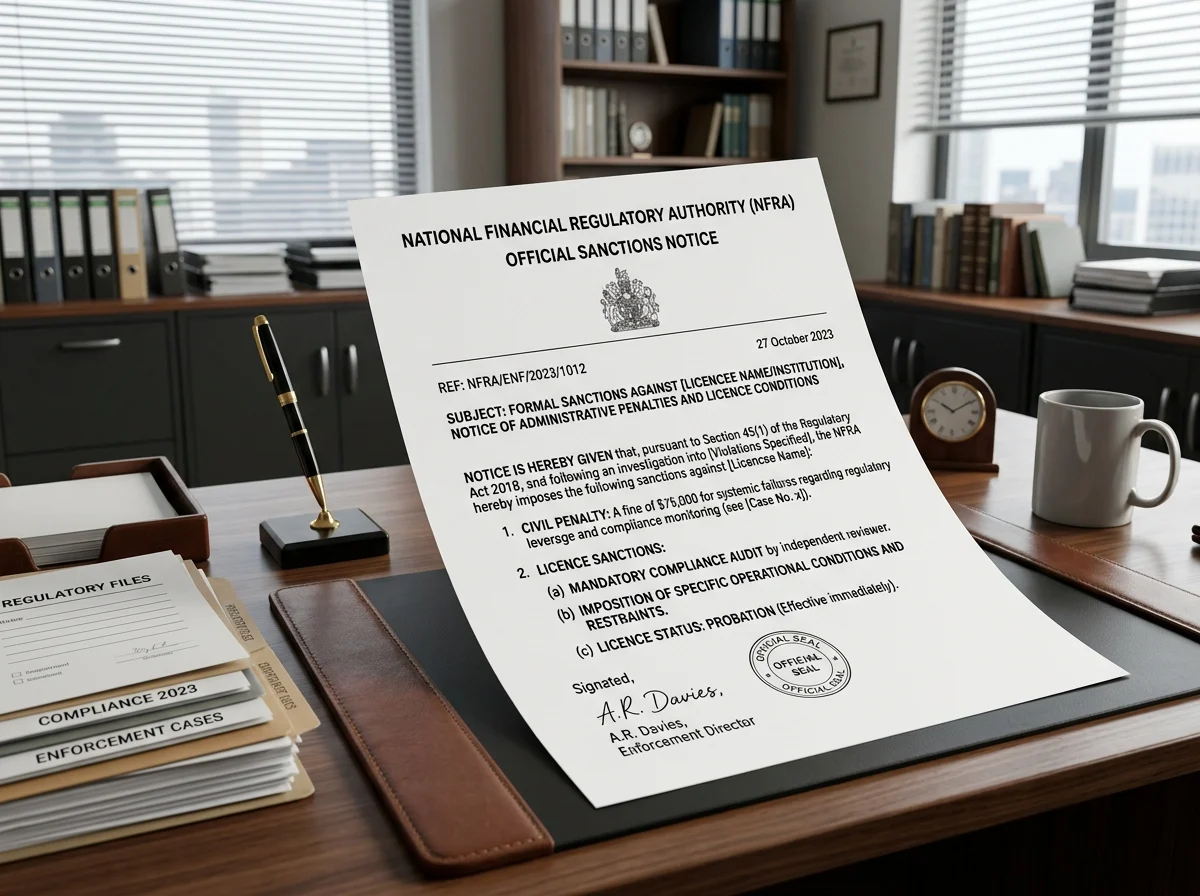
Spain’s regulated GGR of 1,700.55 million euros in 2025 comes with a consumer protection infrastructure that includes this complaints pathway. The cost of maintaining it — DGOJ staff, investigation resources, enforcement actions — is funded through licensing fees and regulatory levies. Players at DGOJ-licensed casinos are paying for this infrastructure through the slightly lower returns and tighter restrictions that regulation imposes. What they receive in exchange is a system that makes disputes resolvable rather than terminally one-sided.
Dispute Resolution at Offshore Casinos: The Structural Void
Offshore casinos have no equivalent mechanism. An operator based in Curaçao, or with no identifiable jurisdiction at all, has no regulatory body that a Spanish player can escalate to with enforceable authority. The Curaçao CGA’s LOK reform introduced a formal complaint pathway, but the CGA’s capacity to investigate and resolve cross-border player complaints from Spanish residents is still being established — and its enforcement track record is too short to evaluate.

The practical reality for most offshore complaints is this: you email customer support. If they respond, they cite their terms of service — terms they wrote, interpret, and enforce unilaterally. There’s no independent arbitrator. No regulator reviewing the case. No mechanism to compel the operator to release held funds, reverse a voided win, or even respond to your complaint. The operator is simultaneously the defendant, the judge, and the enforcer of their own verdict.
Raúl Torres, a legal advisor who works with gambling harm cases, has noted that around 90% of the problems he encounters originate from unlicensed casinos. That concentration isn’t accidental. It reflects the absence of any dispute resolution infrastructure at offshore operators. Problems that would be caught, investigated, and resolved within the regulated market’s complaint system escalate into total losses at offshore casinos because no system exists to catch them.

Common Disputes and How They Play Out Differently
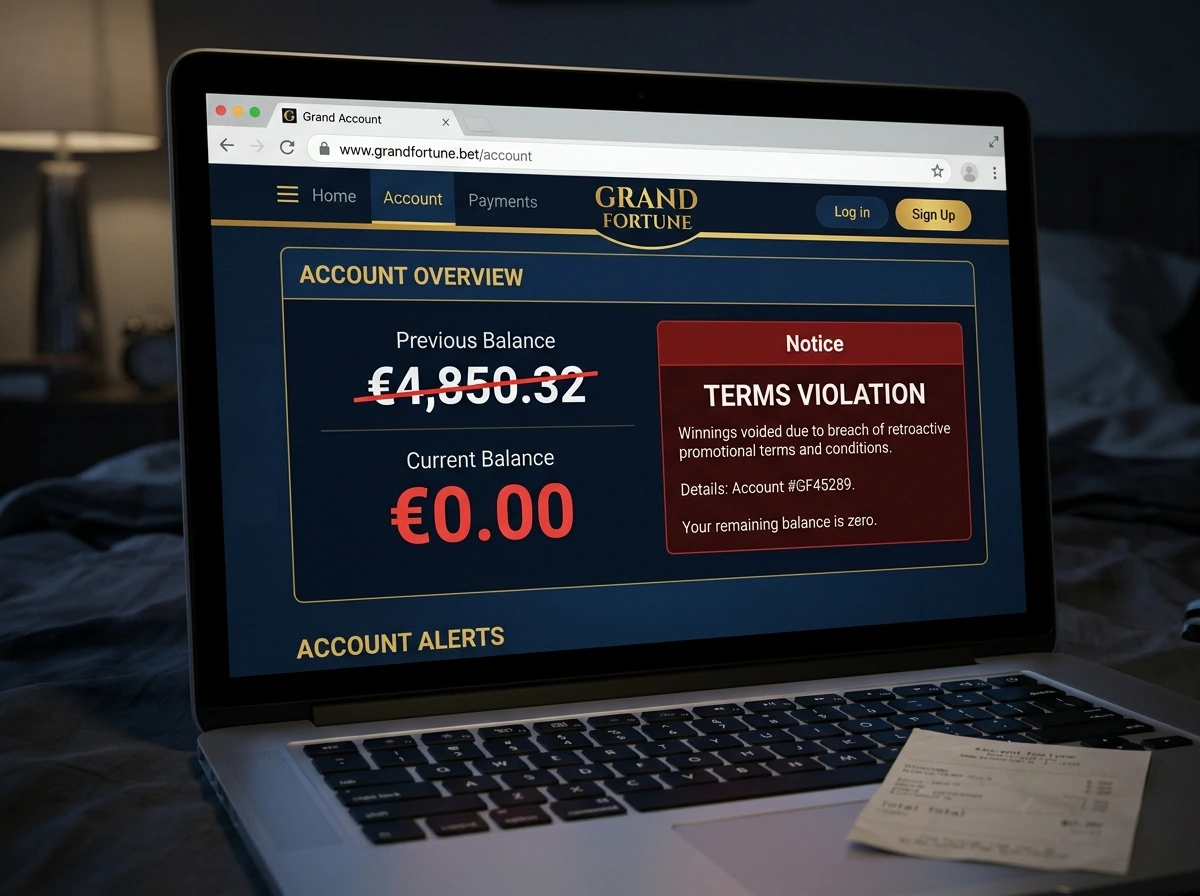
Voided winnings are the most common complaint I encounter. An operator cites a terms violation — often retroactively discovered after the player wins — to cancel the payout. At a DGOJ-licensed casino, the player can challenge this by escalating to the DGOJ, which will review whether the terms were clearly communicated and whether the operator applied them consistently. At an offshore casino, the operator’s decision is final because nobody has the authority to overrule it.
Withdrawal delays are the second most common. An operator imposes new verification requirements at the withdrawal stage that weren’t mentioned during deposit or play. At a DGOJ-licensed casino, the operator must process verified withdrawals within specified timeframes, and delays can be reported to the regulator. At an offshore casino, withdrawal timelines are whatever the operator decides they are, and delays of weeks or months are not uncommon — particularly for larger amounts.
There’s a specific pattern I’ve observed repeatedly at offshore casinos: the reverse withdrawal. During the delay period, the operator keeps the player’s pending withdrawal available for cancellation, and some platforms actively encourage players to cancel withdrawals and continue playing through pop-up prompts and bonus offers. This design pattern exploits the impulsive behaviour that regulators try to prevent through cooling-off periods. The DGOJ prohibits reverse withdrawals at licensed casinos precisely because of their predatory nature. At offshore casinos, they’re a standard feature that converts winning sessions into extended losses.

Account closure without balance return is the most severe dispute type. The operator closes the player’s account and retains the remaining balance, citing terms violations, suspected fraud, or simply going silent. At a DGOJ-licensed casino, account closure must follow regulatory procedures that include returning the player’s balance. At an offshore casino, the retained balance may never be returned, and the player has no institution to appeal to. The fund segregation gap at offshore operators means the money may not even exist anymore by the time the dispute arises.
FAQ
How long does a DGOJ complaint investigation typically take?
The operator has approximately 30 days to respond to a formal player complaint. If the complaint is escalated to the DGOJ, the regulator’s investigation timeline depends on the complexity of the case and current caseload. While there is no guaranteed resolution timeframe for DGOJ-escalated complaints, the regulator has enforceable authority to compel operator cooperation and impose sanctions — a pathway that does not exist at offshore casinos.
Can a player sue an offshore casino in Spanish courts?
A Spanish player can technically initiate legal proceedings, but enforcing a judgment against an operator with no Spanish presence, assets, or regulatory registration is extremely difficult. The operator may be incorporated in a jurisdiction with no bilateral enforcement agreement with Spain, making court orders practically unenforceable. The legal costs typically exceed the disputed amount, making litigation impractical for individual player complaints.