

Contenido
The number that changed how I think about Spain’s offshore gambling problem isn’t a fine total or a blocked-domain count. It’s this: 47.5% of players who believe they only use legal sites have accessed non-.es domains. Nearly half the players who think they’re in the regulated market aren’t. That’s not a fringe group making deliberate choices — it’s a systemic awareness gap that makes Spain’s illegal gambling market far larger than most estimates suggest.
The EY/Jdigital Report: Key Findings on Market Volume
In 2025, EY published a study commissioned by Jdigital — Spain’s digital gambling industry association — that produced the most granular picture of Spain’s unregulated gambling market to date. The headline figure: the estimated volume of unregulated online gambling in Spain reached 231 million euros in 2024, equivalent to 16% of the regulated market. Jorge Hinojosa, Director General of Jdigital, framed the finding directly: illegal gambling is not a marginal phenomenon, but a real risk for thousands of users who fall outside any guarantee.

The 231 million figure represents estimated player spending — deposits minus withdrawals — at operators without DGOJ licences. It’s derived from a combination of survey data, payment flow analysis, and traffic estimates for non-.es gambling domains popular with Spanish IP addresses. The methodology is necessarily imperfect — illegal markets don’t publish annual reports — but EY’s approach represents the best available estimate and is consistent with enforcement data showing persistent demand for unregulated platforms.
What makes the figure significant isn’t just the size but the growth trajectory. The EY report captures a market that has industrialised: professional operators with multilingual sites, dedicated Spanish-language customer support, localised payment methods, and targeted marketing that specifically addresses the restrictions of the regulated market — higher bonuses, no deposit limits, no KYC — as selling points. This isn’t a collection of fly-by-night operations. It’s a parallel industry.

The Awareness Gap: 47.5% Don’t Know They’re on Illegal Sites
23.4% of surveyed players had accessed unregulated platforms, either knowingly or unknowingly. But within that group, the split between deliberate and accidental access tells you everything about the nature of the problem. Only 9.3% of respondents explicitly acknowledge using platforms without a licence. The rest — a much larger group — either don’t know or don’t check.
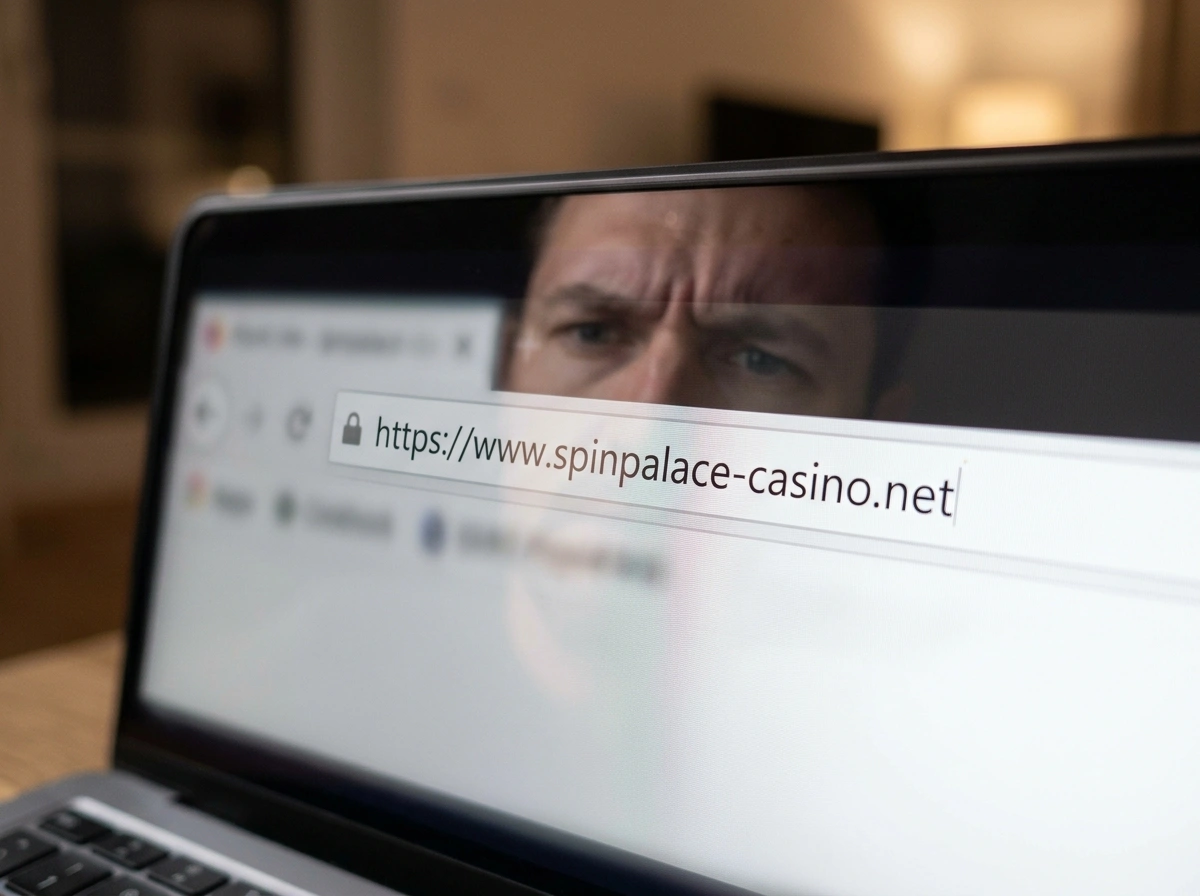
The 47.5% figure — the share of players who believe they’re on legal sites but have accessed non-.es domains — represents the awareness gap. These players didn’t seek out an offshore casino. They found one through a search engine result, a social media ad, an affiliate link, or a forum recommendation, and assumed it was legitimate because it accepted their payment, displayed a licence logo (possibly fake), and offered games from recognisable providers. The site looked like a casino. It acted like a casino. Nothing in the user experience signalled that it was operating outside the regulatory framework.
Nearly half of all respondents — 48.6% — may be operating in the unregulated market when you combine those who know they’re on unlicensed sites with those who don’t realise it. This combined figure challenges the narrative that offshore gambling is a choice made by informed players who consciously trade protections for benefits. A substantial portion of Spain’s offshore gambling volume comes from players who have no idea they’ve left the regulated market.
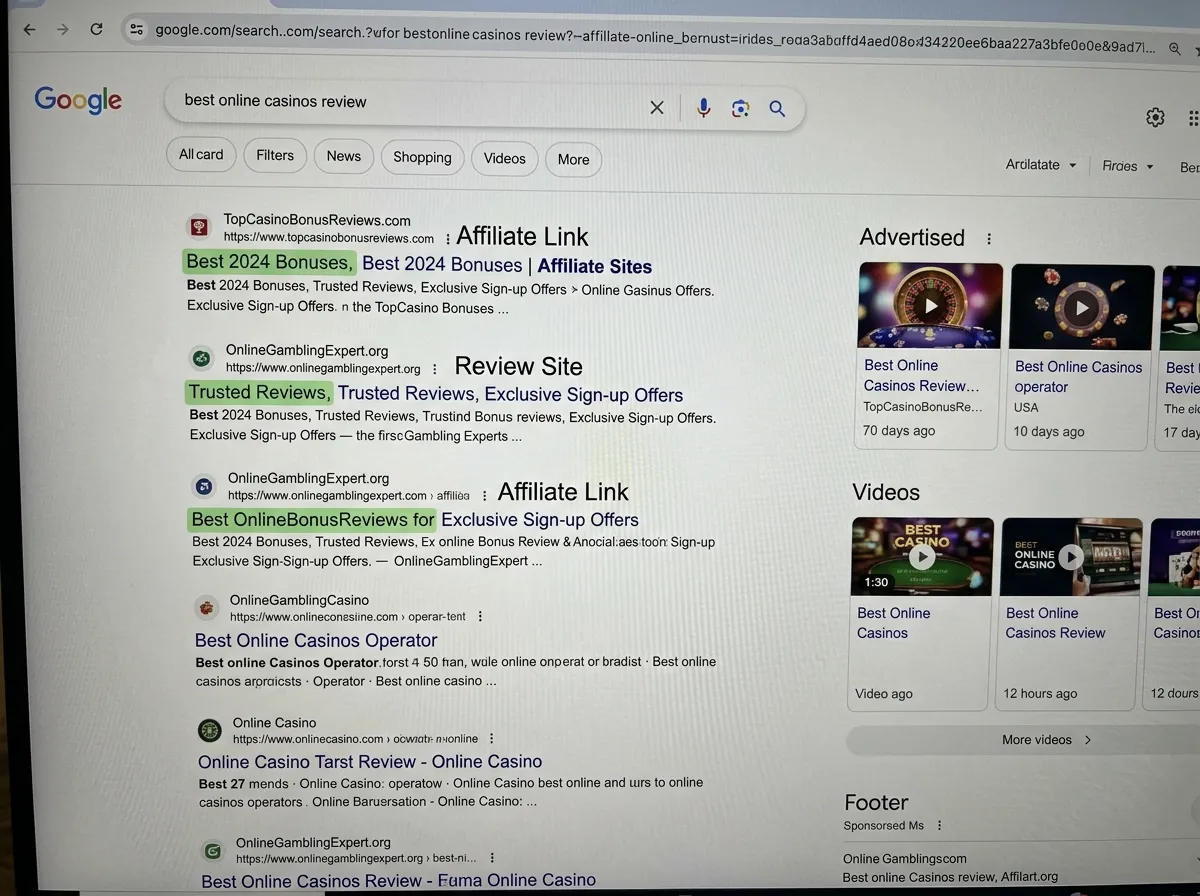
The mechanisms driving unwitting access are structural. Search engines don’t distinguish between DGOJ-licensed and unlicensed operators in their results. Affiliate sites that rank well for gambling-related queries often promote offshore operators alongside or instead of licensed ones — the commission rates from offshore operators are frequently higher, creating a financial incentive to direct traffic away from the regulated market. Social media advertising reaches Spanish players through geo-targeted campaigns that circumvent DGOJ ad restrictions by running from accounts registered in other jurisdictions. The player’s path from curiosity to deposit can bypass every regulatory checkpoint without the player ever realising those checkpoints exist.
Young Players: The Most Exposed and Least Aware
The age distribution in the EY data follows a pattern I’ve seen in every market I’ve analysed. Young players aged 18 to 24 are the most exposed to illegal gambling and report the least awareness of unregulated operators. This demographic came of age in a digital environment where the line between regulated and unregulated content is invisible. They don’t check for .es domains. They don’t verify licence numbers. They evaluate a gambling platform the same way they evaluate any online service: does it work, does it look professional, and do other people use it.

The consequences of this exposure are not abstract. Roughly 14% of young online players aged 18 to 25 show symptoms of gambling disorder, and they’re doing so on platforms that offer no algorithmic harm detection, no deposit limits, no self-exclusion integration, and no regulatory recourse. The regulated market’s protections — deposit caps, the RGIAJ, the DGOJ’s XGBoost detection model — exist specifically for these players. But the protections only work if the players are on the platforms that implement them.
Addressing this gap requires more than enforcement — it requires education. Players need to understand how to distinguish a DGOJ-licensed site from an unlicensed one, and that distinction needs to be communicated through the channels this demographic actually uses: social media, influencer content, and in-app messaging. The DGOJ’s regulated market growth demonstrates that the licensed ecosystem is expanding, but without bridging the awareness gap, that expansion leaves the most vulnerable players on the wrong side of the regulatory perimeter.
FAQ
How does the EY report define the difference between legal and illegal gambling platforms?
The EY/Jdigital report defines legal platforms as those holding a valid DGOJ licence and operating under a .es domain. Illegal or unregulated platforms are those offering gambling services to Spanish players without DGOJ authorisation, regardless of whether they hold licences from other jurisdictions such as Curaçao or Malta. A Curaçao licence does not make an operator legal in Spain — only a DGOJ licence does.
Why are young players aged 18 to 24 disproportionately exposed to illegal gambling?
Young players grew up in a digital environment where the visual and functional distinction between regulated and unregulated platforms is invisible. They are less likely to check for .es domains, verify licence numbers, or be aware of the DGOJ’s role. They discover gambling platforms through social media, search engines, and peer recommendations — channels where unlicensed operators compete for visibility alongside licensed ones. Their higher digital fluency does not translate into higher regulatory awareness.