

Contenido
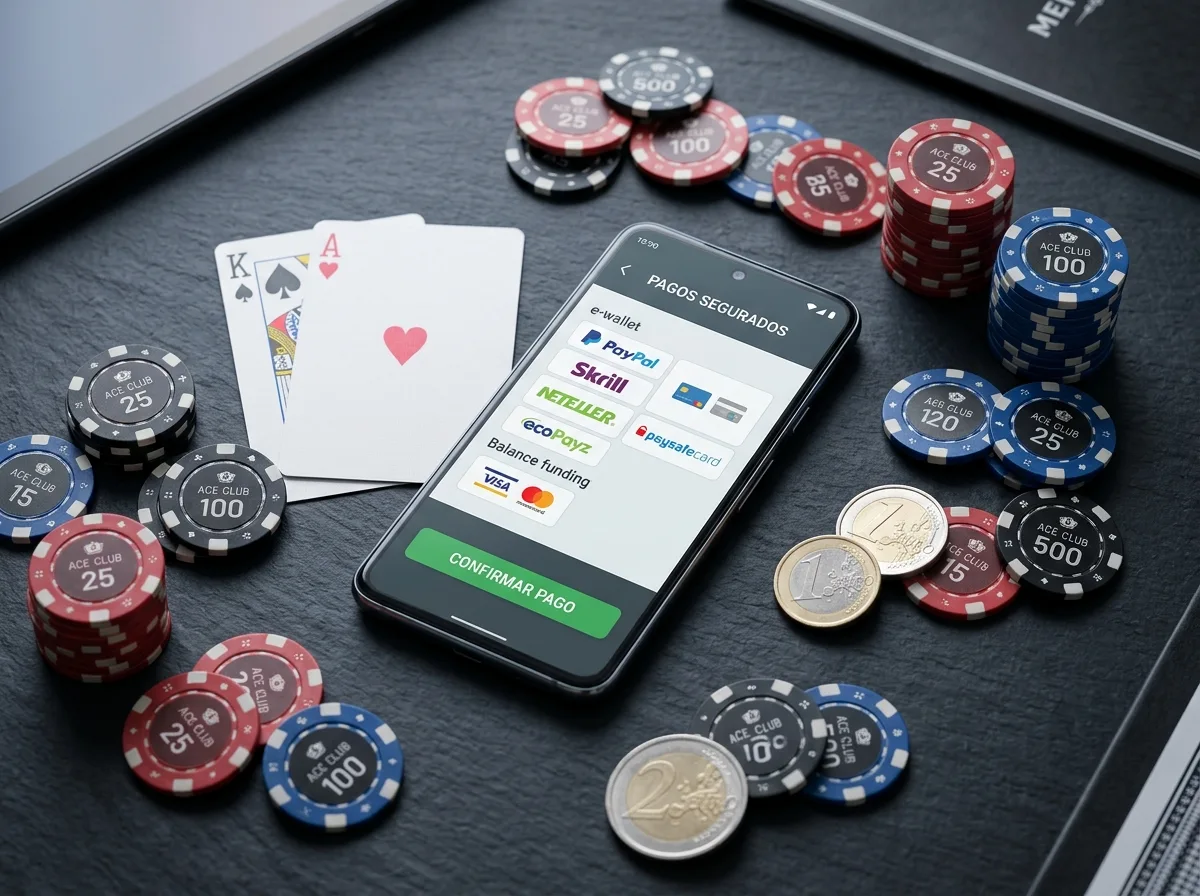
Money flows differently at unlicensed casinos. I learned this the hard way years ago when I was researching payment processing for a compliance report and discovered that the same Visa card that worked fine at a DGOJ-licensed site would be declined at one offshore operator and accepted at another — sometimes within minutes. The payment landscape at casinos sin licencia is a patchwork of workarounds, intermediaries, and shifting availability that changes faster than most guides can keep up with.
In Spain’s regulated market, player deposits reached 4,322.46 million euros in 2025, with withdrawals at 3,013.63 million euros. Those numbers flow through regulated payment channels with full oversight. The offshore market operates through different channels entirely, and each payment method carries its own risk profile.
Visa and Mastercard: Acceptance, Blocks, and Chargebacks
The first thing most people try is their debit or credit card, and the results are unpredictable. Some Spanish banks actively block transactions to known offshore gambling merchants by flagging the merchant category code — MCC 7995 for gambling. Others let the transaction through. Visa and Mastercard themselves don’t block gambling transactions at the network level, but they rely on acquiring banks to enforce compliance, and offshore casinos often use payment processors in jurisdictions where oversight is minimal.
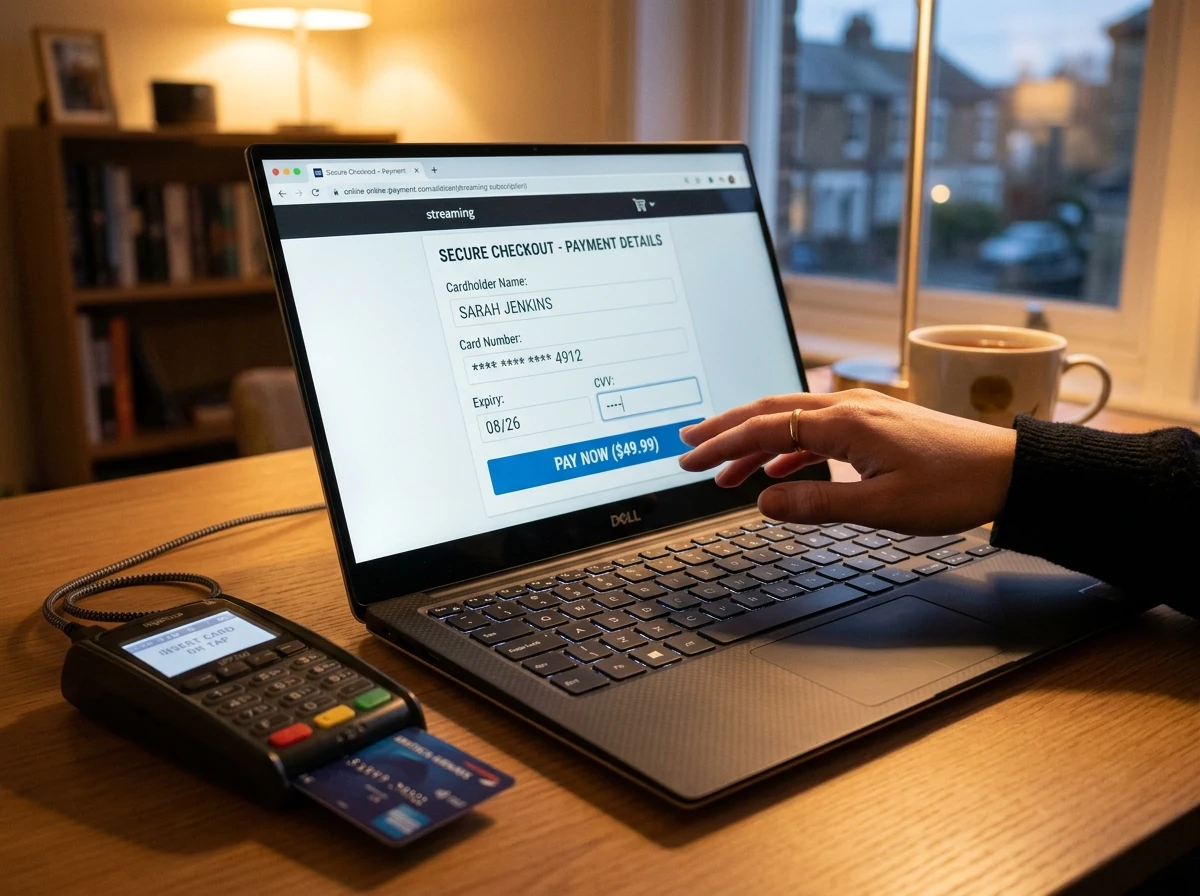
When card payments do go through, the chargeback mechanism is your strongest protection — and your only real recourse if something goes wrong. If an operator refuses to honour a withdrawal or delivers a service materially different from what was advertised, you can dispute the charge with your card issuer. The process isn’t guaranteed, and it typically takes weeks, but it exists. That alone makes card payments less risky than alternatives where the money, once sent, is gone. The catch is that many offshore operators have caught on to chargeback risk and increasingly steer players toward payment methods that don’t offer this protection.
Skrill, Neteller, and MiFinity at Offshore Casinos
E-wallets are the workhorses of offshore gambling payments, and there’s a reason for that. They sit between the player’s bank and the casino, creating a layer of separation that makes it harder for banks to identify gambling transactions. For the operator, e-wallets reduce chargeback exposure because the dispute process at e-wallet providers is less player-friendly than at card networks.
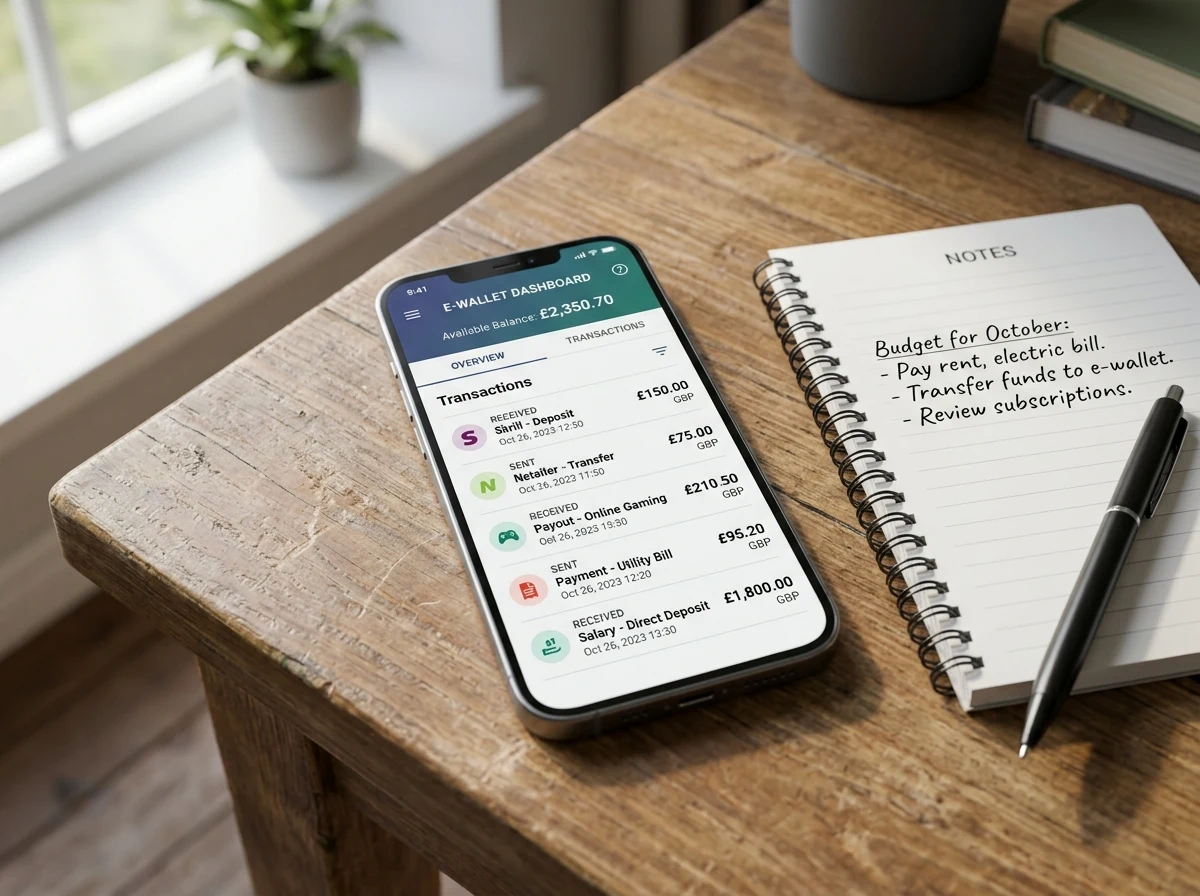
Skrill and Neteller — both owned by the same parent company — have deep roots in the iGaming payment space. They’re widely accepted at offshore casinos and process transactions quickly. The trade-off is that their fee structures can be opaque, with currency conversion charges, transfer fees, and inactivity fees that accumulate if you’re not paying attention. MiFinity is a newer entrant that has gained traction at offshore sites, positioning itself as a privacy-focused alternative.
The key limitation of e-wallets is dispute resolution. If a casino refuses to process your withdrawal, the e-wallet provider generally treats that as a matter between you and the merchant. Unlike a card chargeback, there’s no formal dispute mechanism that forces the casino to respond. Your complaint goes to the e-wallet’s support team, who may or may not have leverage over the operator. In practice, I’ve found that e-wallet disputes at offshore casinos are far less likely to be resolved in the player’s favour than card chargebacks.
Bizum and Bank Transfers: Do They Work at Unlicensed Casinos?
Bizum is Spain’s dominant peer-to-peer payment system, integrated into virtually every Spanish banking app. It’s fast, free, and ubiquitous for domestic transactions. At unlicensed casinos? It barely exists. Bizum operates through the Spanish banking network and is designed for transfers between Spanish bank accounts. Most offshore operators don’t have Spanish banking relationships, which makes Bizum integration technically difficult and commercially unattractive for them.
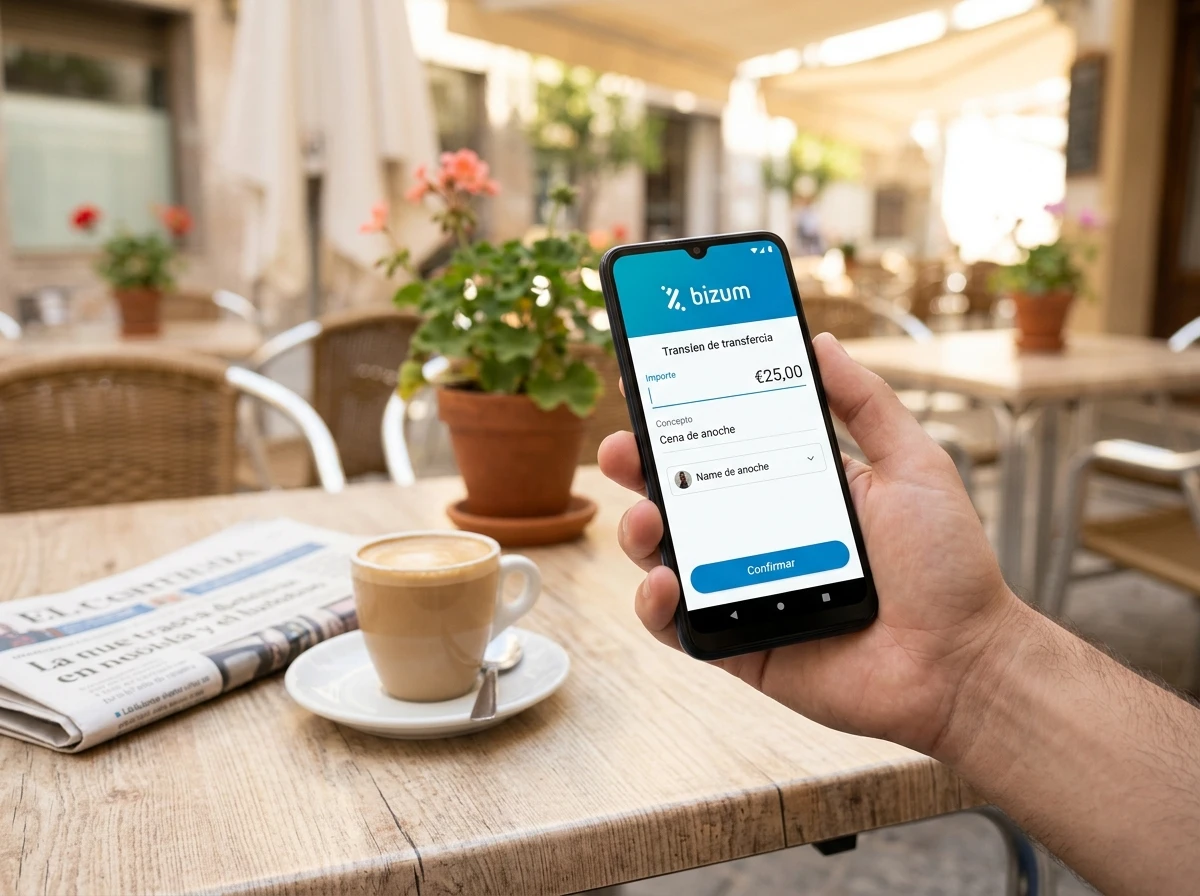
Some offshore casinos have experimented with accepting Bizum through intermediary services, but these arrangements tend to be unstable. The intermediary receives the Bizum payment and forwards the funds to the operator through a different channel — adding a layer of processing time and a third party who has access to your payment data. I wouldn’t rely on Bizum availability at any offshore casino, and its appearance on a payment page doesn’t mean it will actually work when you try to use it.
Direct bank transfers (SEPA) are technically possible but slow and expose your bank account details directly to the operator. Withdrawals via bank transfer at offshore casinos routinely take three to five business days, and the transaction on your bank statement will show the payment processor’s name — which may or may not make its gambling connection obvious.
Crypto Payments: Speed and Irreversibility
Cryptocurrency has become the default payment method at the more technologically oriented end of the offshore market. The crypto gambling market is projected to exceed 65 billion dollars by 2026, with Bitcoin accounting for roughly 66% of volume, followed by Ethereum at 9% and Litecoin at 6%. The appeal for both operators and players is clear: fast processing, no banking intermediaries, and pseudo-anonymous transactions.
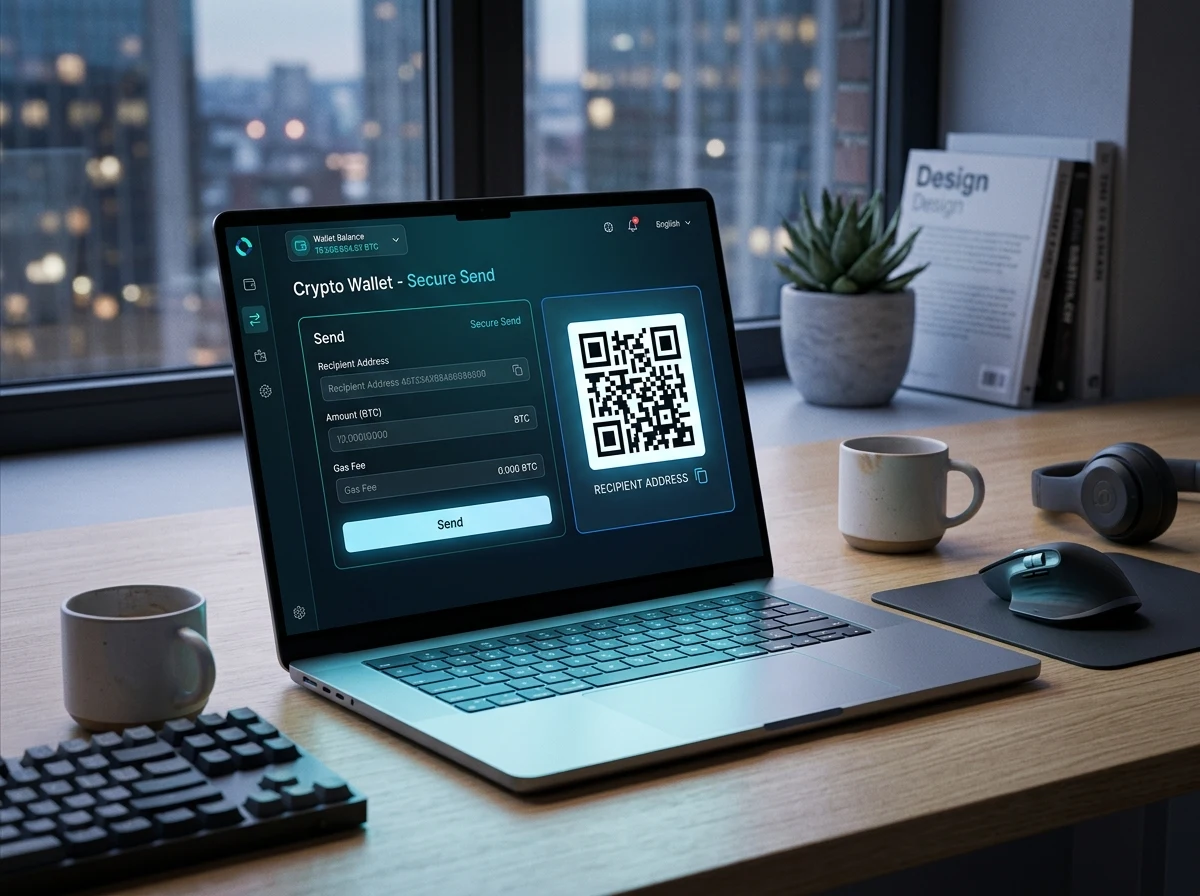
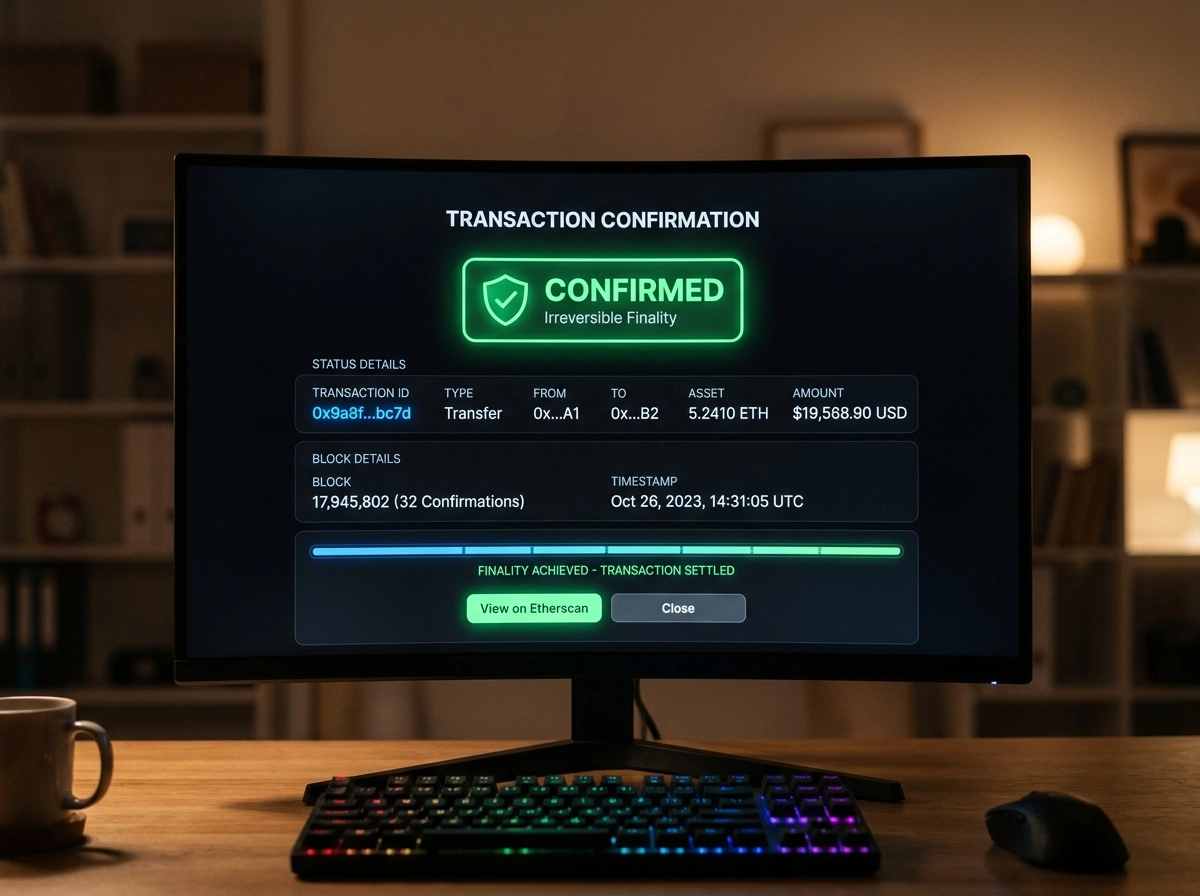
The irreversibility is the critical factor. A card payment can be charged back. An e-wallet transfer can sometimes be disputed. A Bitcoin transaction, once confirmed on the blockchain, cannot be reversed by anyone — not by you, not by the casino, not by any regulator. If a casino delays or refuses a crypto withdrawal, you have no payment processor to complain to. Your recourse is whatever customer support the operator provides, and nothing else.
For Spanish players specifically, crypto payments create an additional complexity: tax documentation. The Agencia Tributaria expects records of gambling wins and losses for IRPF purposes. Crypto transactions don’t generate the standardised receipts that card or e-wallet payments do. You’ll need to maintain your own records — wallet addresses, transaction hashes, amounts, dates, and exchange rates at the time of each transaction — or face difficulties substantiating your tax position if audited.
FAQ
Can Spanish banks block transactions to unlicensed online casinos?
Some Spanish banks actively block transactions to merchants classified under gambling category codes, while others do not. The decision sits with individual banks, not with Visa or Mastercard at the network level. Players whose card transactions are declined at offshore casinos often turn to e-wallets or cryptocurrency as alternatives, which bypass the banking layer entirely.
Which payment method offers the best chargeback protection at offshore casinos?
Visa and Mastercard debit or credit cards offer the strongest chargeback mechanism. If an operator fails to deliver the service or refuses a legitimate withdrawal, the card issuer can reverse the transaction after investigation. E-wallets have weaker dispute processes, and cryptocurrency transactions are completely irreversible once confirmed on the blockchain.