

Contenido
Every few weeks someone in a gambling forum posts a tutorial on bypassing DGOJ blocks with a VPN, and every time I read it I think the same thing: technically accurate, practically reckless. Yes, a VPN can route your connection through a server outside Spain and make it appear as though you’re accessing the internet from another country. Yes, this can circumvent the domain blocks the DGOJ imposes on unlicensed gambling sites. But what nobody mentions in those tutorials is what you’re actually giving up when you do it.
How the DGOJ Geoblocking Mechanism Works
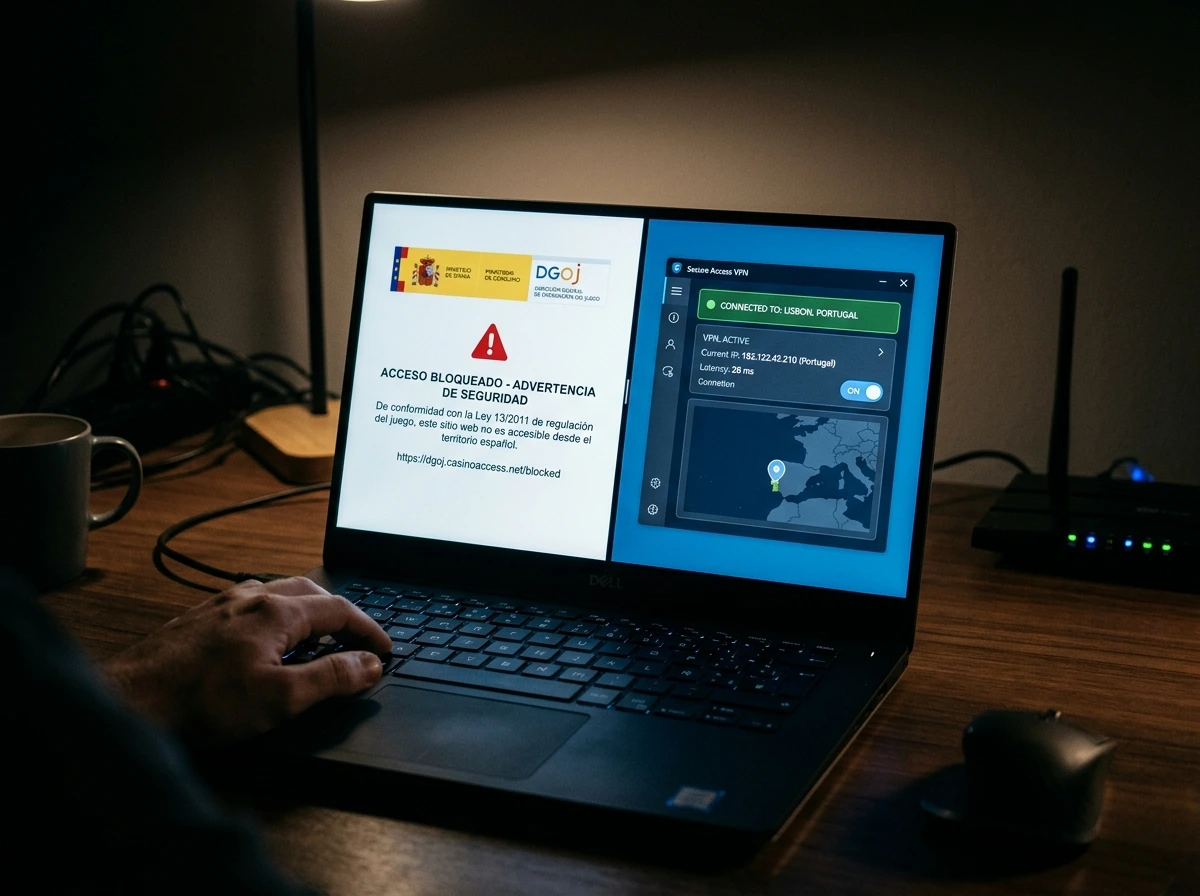
The DGOJ uses two primary methods to block access to unlicensed gambling sites from Spain. The first is DNS-level blocking, which instructs Spanish internet service providers to redirect requests for blocked domains to a DGOJ notice page. When you type a blocked casino’s URL into your browser, your ISP’s DNS resolver returns the DGOJ’s IP address instead of the casino’s. You see a warning page rather than the casino’s homepage.
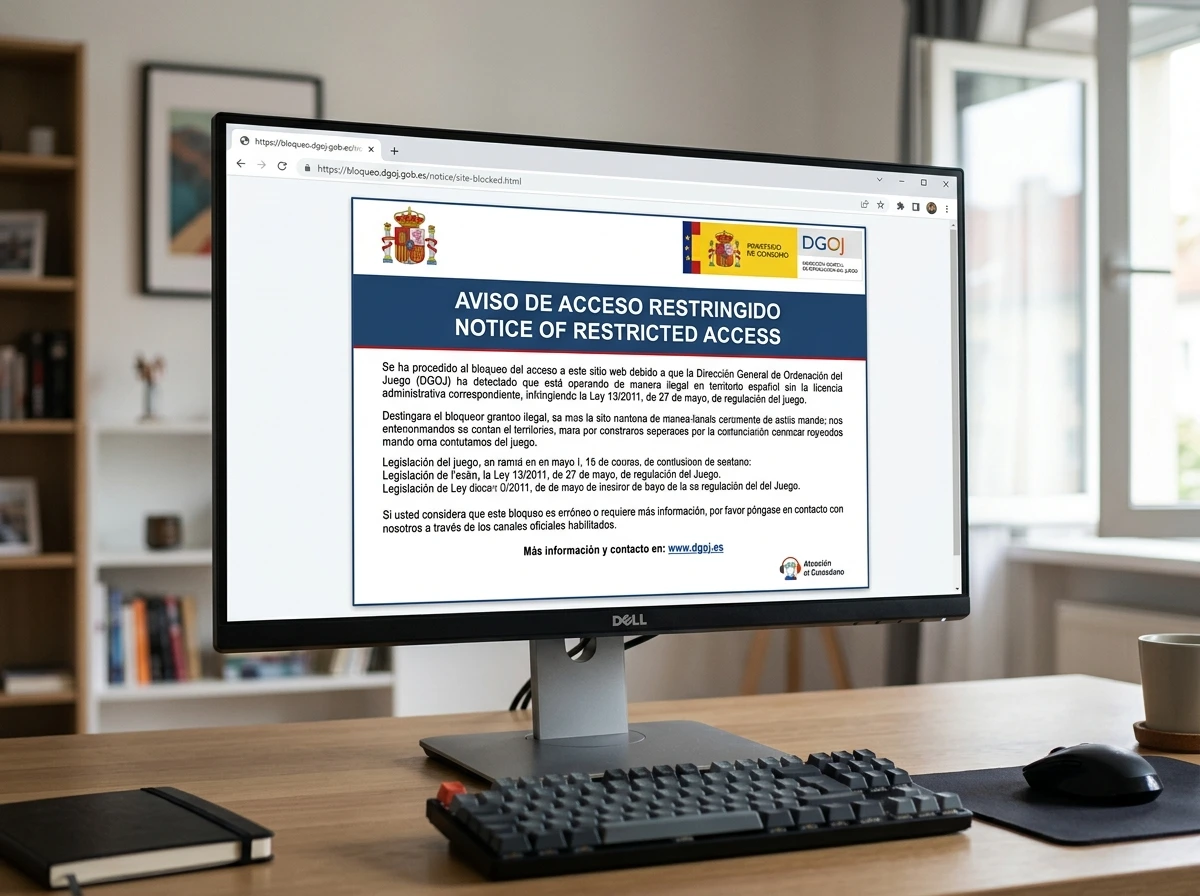
The second method is broader: the DGOJ publishes lists of blocked domains to ISPs, who implement the blocks at the network level. In 2025, the regulator blocked 229 portals covering 2,961 web pages. Mikel Arana, the DGOJ’s Director General, has described providing illegal gambling without a licence as a very serious offence carrying fines between 1 million and 50 million euros. The blocking mechanism is the consumer-facing side of that enforcement — the part that affects players rather than operators.
These blocks are effective against casual access. Someone who types a casino URL and sees a DGOJ warning page will generally take it as a signal to stop. The blocks are not, however, technically sophisticated. They rely on DNS and domain-level interception, which means they can be circumvented by anyone who changes their DNS resolver or routes their connection through a different country. This is where VPNs enter the picture.

What Happens When You Use a VPN to Bypass the Block
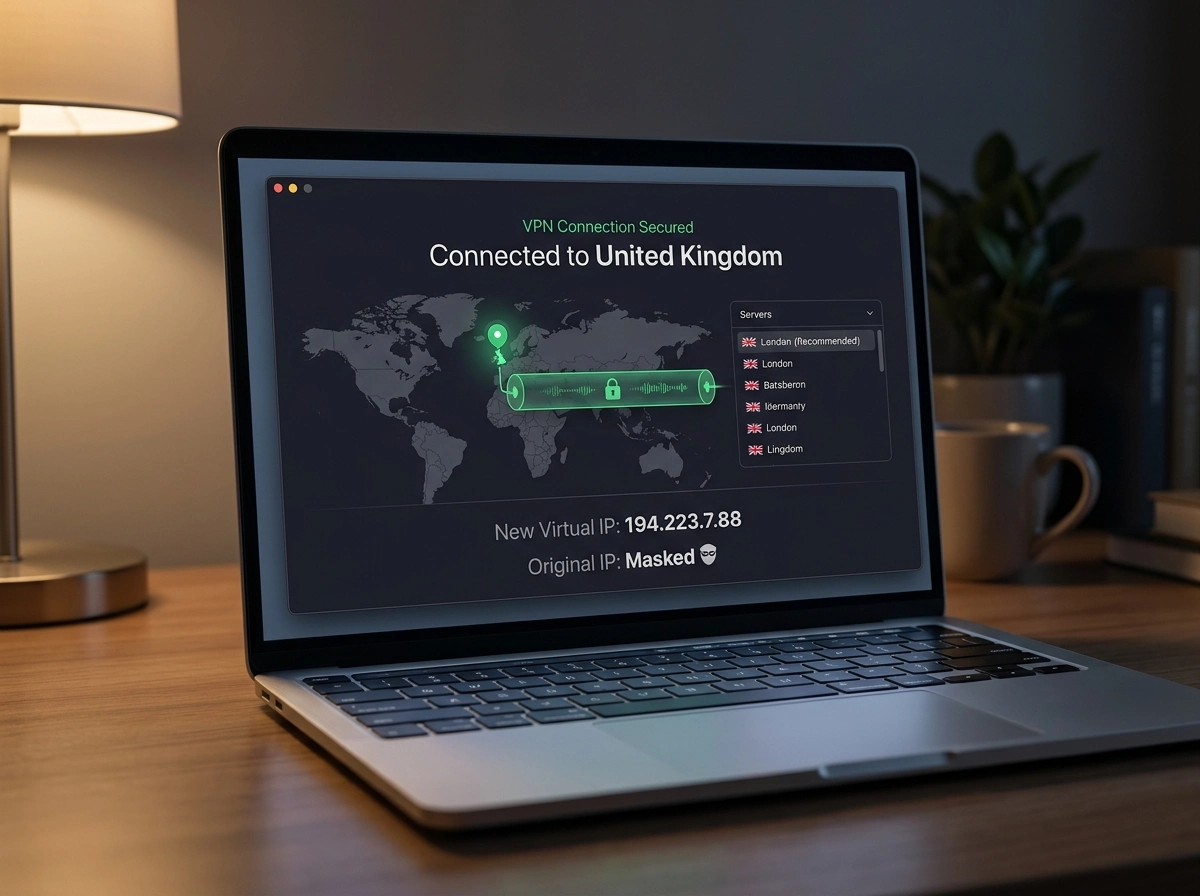
A VPN encrypts your internet connection and routes it through a server in a different location. If you connect through a UK server, websites see a UK IP address. The DGOJ’s DNS blocks don’t apply because your traffic never passes through a Spanish ISP’s resolver. The blocked casino loads normally, and you can register, deposit, and play as though you were in the UK.
The access works. What doesn’t work is the fiction that nothing has changed. You’re now playing at a casino that believes you’re in a country you’re not in, using an identity that may not match your apparent location. If the casino’s terms of service require you to access the site from a jurisdiction where it holds a licence — and most do — you’re in violation the moment you connect through a VPN. This isn’t hypothetical: I’ve documented cases where operators detected VPN usage during withdrawal processing and used it as grounds to void winnings.
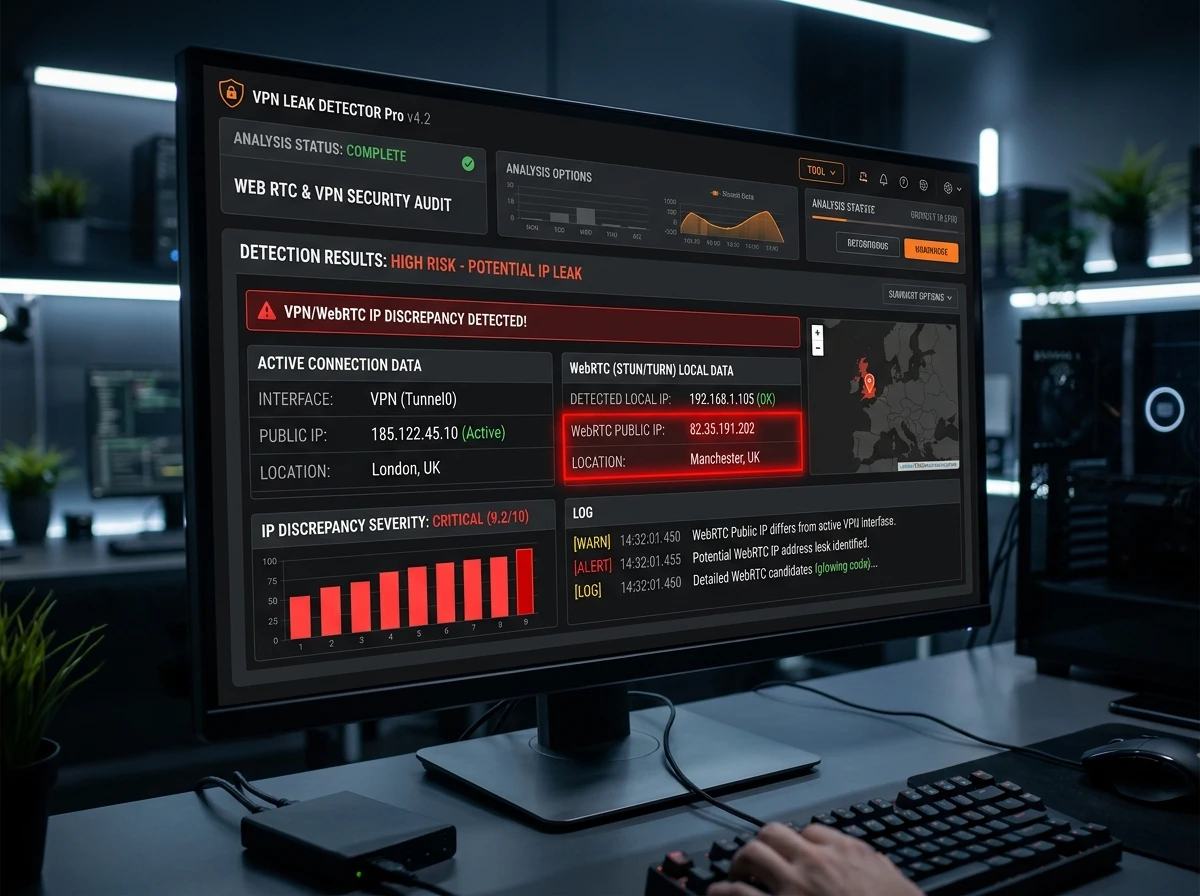
Detection methods are improving. Operators increasingly use IP reputation databases, WebRTC leak detection, and behavioural analysis to identify VPN users. A Spanish-language browser with a UK IP address, accessing the site at hours that align with European rather than UK time zones, triggers flags. Some operators require phone verification with a number matching the player’s apparent jurisdiction — a step that catches most VPN users because their phone number reveals their actual country.
Legal and Practical Consequences of VPN Access
Spain’s current legal framework does not criminalise the act of using a VPN to access blocked gambling sites. The DGOJ’s enforcement targets operators, not players. There’s no law that penalises a Spanish resident for placing a bet at an offshore casino via VPN. The ongoing reform of Ley 13/2011 could change the enforcement landscape, but as of 2026, the legal risk to individual players is minimal from a criminal perspective.
The practical risks are another matter entirely. Using a VPN voids whatever protections the casino’s terms might otherwise provide. If the operator discovers VPN usage — and the financial incentive to discover it is strongest when you’re trying to withdraw — your account can be frozen, your winnings confiscated, and your deposited funds retained. The operator’s terms almost certainly include a clause prohibiting access from restricted jurisdictions, and VPN usage violates that clause. You have no recourse because the operator is enforcing its own terms, and no regulator will intervene on behalf of a player who circumvented access restrictions.

The tax implications persist regardless of how you accessed the casino. Spanish tax law requires declaring gambling winnings from any source, including offshore platforms accessed through a VPN. The Agencia Tributaria doesn’t distinguish between direct access and VPN-routed access. If you win, you owe tax. If you can’t document your wins and losses because the operator froze your account after detecting VPN usage, you’re in a worse position than if you’d never used the VPN at all.
There’s a documentation problem specific to VPN users that I rarely see discussed. If the offshore operator freezes your account and confiscates your balance, that loss may not be deductible against other gambling winnings because it wasn’t a gambling loss — it was a confiscation under the operator’s terms of service. The distinction matters at tax time: a genuine gambling loss offsets a gambling gain, but a confiscated balance is a different category entirely, and the Agencia Tributaria may not accept it as an offsetting loss.
There’s also a security dimension. When you connect to an offshore casino through a VPN, you’re adding a third party — the VPN provider — to your data chain. Your login credentials, payment details, and personal information pass through the VPN’s servers. If you’re using a free or low-cost VPN service, the provider’s business model may rely on data collection rather than subscription fees. You’re solving one problem — accessing a blocked site — while creating another: exposing your sensitive data to an additional intermediary with no regulatory oversight.
FAQ
Is using a VPN to gamble on blocked sites illegal under Spanish law?
As of 2026, Spanish law does not criminalise individual players for using VPNs to access blocked gambling sites. The DGOJ’s enforcement framework targets operators — through domain blocking, sanctions, and fines — rather than individual users. However, the ongoing reform of Ley 13/2011 could change the regulatory approach, and using a VPN violates most offshore casinos’ terms of service, which creates practical risks even without criminal liability.
Can a casino confiscate your winnings if they detect VPN usage?
Yes. Most offshore casinos include terms prohibiting access from restricted jurisdictions, and VPN detection gives the operator grounds to freeze accounts and void winnings. Detection methods include IP reputation analysis, WebRTC leak checks, and behavioural patterns that suggest the player’s actual location differs from their apparent one. The risk of detection increases significantly during withdrawal processing, when operators apply more scrutiny.