
Contenido
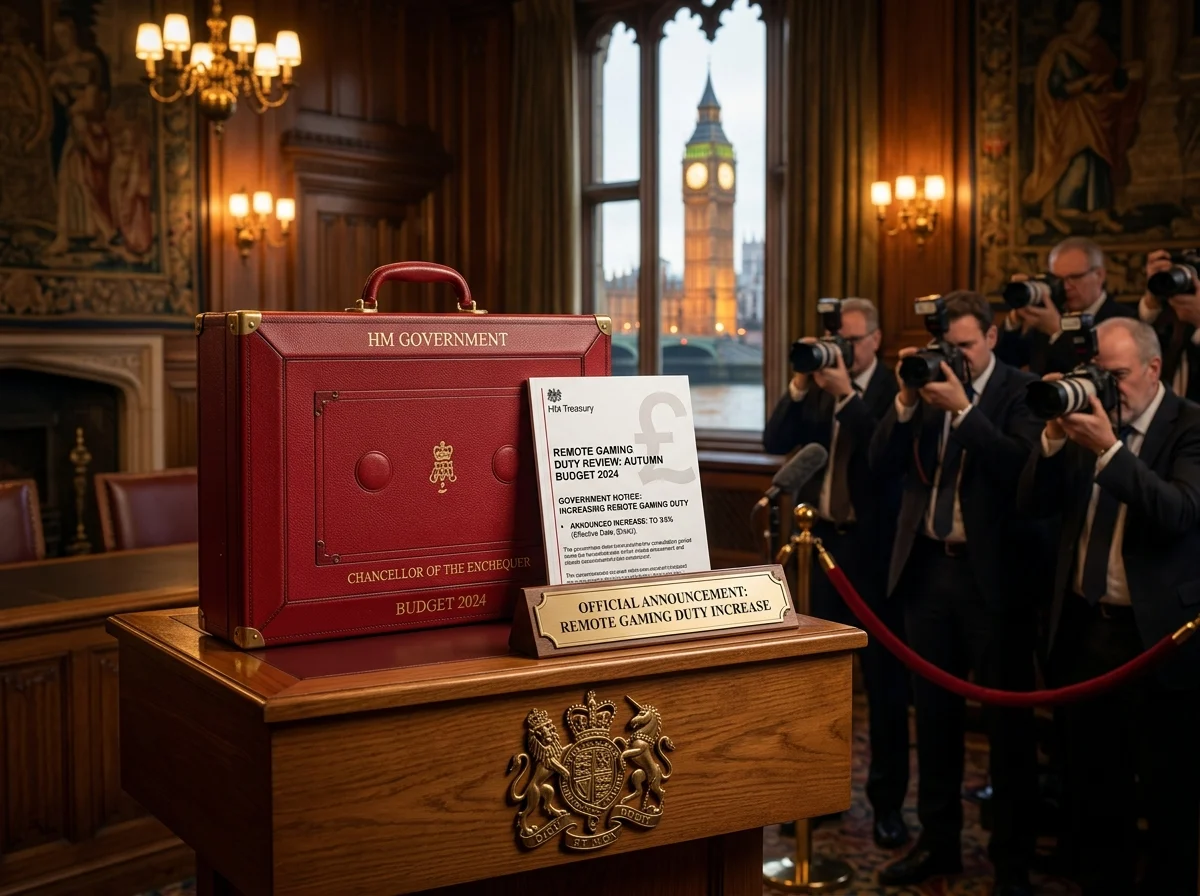
When the UK government announced it was nearly doubling the Remote Gaming Duty from 21% to 40% in its October 2025 budget, I called a colleague at a London consultancy and asked for his one-word reaction. He said: «Malta.» Within months, Flutter relocated Sky Bet’s headquarters from London to Malta, estimated to save up to 55 million pounds in UK tax payments. The UK’s decision is the most aggressive tax intervention in a major regulated gambling market this decade, and its ripple effects are already reshaping the competitive landscape between legal and illegal operators.
From 21% to 40%: What the Remote Gaming Duty Increase Covers
The Remote Gaming Duty applies to operators offering online casino, slots, and other remote gambling products to UK customers. The rate increase from 21% to 40% took effect in April 2026. General betting duty — covering sports betting — rises separately, from 15% to 25%, from April 2027. The combined changes are projected to raise 1.1 billion pounds per year by 2029-30.
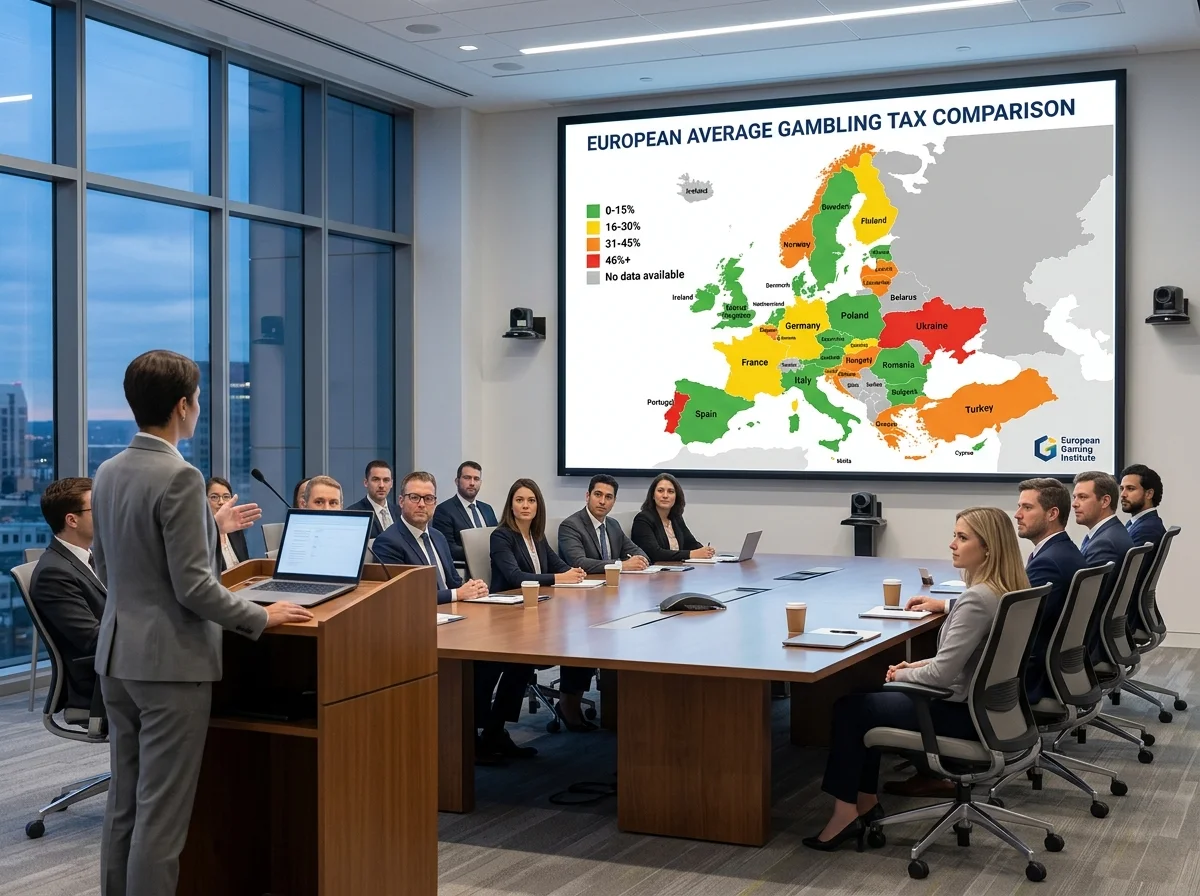
To put 40% in context: the European average online gaming tax rate across 16 EU states is approximately 19%. The UK now sits at more than double that average. Spain’s online gambling tax rate is lower, which partly explains why Spain’s regulated market continues to grow while the UK’s regulated operators are restructuring. The UK went from having one of Europe’s more competitive tax environments for remote gambling to having the most punitive in a single budget announcement.
The stated rationale is revenue generation and harm reduction. Higher taxes on gambling products are framed as part of the UK’s broader public health approach. The unstated consequence — the one the industry has been shouting about since the announcement — is that the tax increase changes the economics of legal operation so dramatically that the margins for some operators become unviable.
How Operators Are Responding: Relocation, Profit Hits, and Market Exit
The numbers from operator earnings calls tell the story. Entain projects a 100-million-pound profit hit in the first year and up to 150 million thereafter. Evoke expects an extra 135 million pounds in costs. These aren’t marginal adjustments — they’re structural hits to profitability that force operators to choose between absorbing the cost, passing it to customers through reduced odds and smaller bonuses, or relocating operations to lower-tax jurisdictions.

Flutter’s decision to move Sky Bet to Malta is the most visible response, but it’s not the only one. Smaller operators without the scale to absorb a 40% tax rate are evaluating whether the UK market remains worth serving. Some will exit. Others will reduce their UK-facing product offering, pulling promotional spending and limiting their game portfolio. The practical effect is a smaller, more expensive regulated market — which is exactly the environment where unlicensed operators thrive.
The irony is that reduced competition in the regulated market doesn’t reduce gambling demand. It redirects it. Players who find fewer promotions, tighter odds, and a less competitive product at licensed operators don’t stop gambling — they look for alternatives. And those alternatives, increasingly, are offshore casinos and unlicensed betting sites that pay no UK tax and face no UK regulatory costs.

The timing compounds the problem. The tax increase arrived alongside existing UKGC compliance costs — affordability checks, enhanced due diligence, source-of-funds verification — that already added friction to the regulated experience. Each layer of regulation is individually defensible, but their cumulative effect is a legal gambling product that is more expensive, more intrusive, and less rewarding than its offshore equivalent. The gap between regulated and unregulated player experience widens with every new requirement, and that gap is what the black market exploits.
The Black Market Effect: When Tax Hikes Push Players Offshore
Grainne Hurst, CEO of the Betting and Gaming Council, described the budget as a massive win for the incredibly harmful, unsafe, unregulated gambling black market, which pays no tax and offers none of the protections that exist in the regulated sector. Peter Jackson, then-CEO of Flutter, echoed the point: black market operators don’t pay tax and don’t invest in safer gambling, noting that similar tax increases in the Netherlands led to a rise in illegal gambling and a fall in government receipts.
The UK Gambling Commission received an extra 26 million pounds in government funding over three years to fight the black market following the tax increase — an implicit acknowledgment that the tax hike was expected to drive growth in unlicensed gambling. The UKGC already tracks around 1,000 illegal gambling sites and has reviewed over 200,000 URLs linked to unlicensed operators. The additional funding is meant to scale up enforcement, but enforcement against offshore operators is a resource-intensive, whack-a-mole exercise that has never fully succeeded in any jurisdiction.
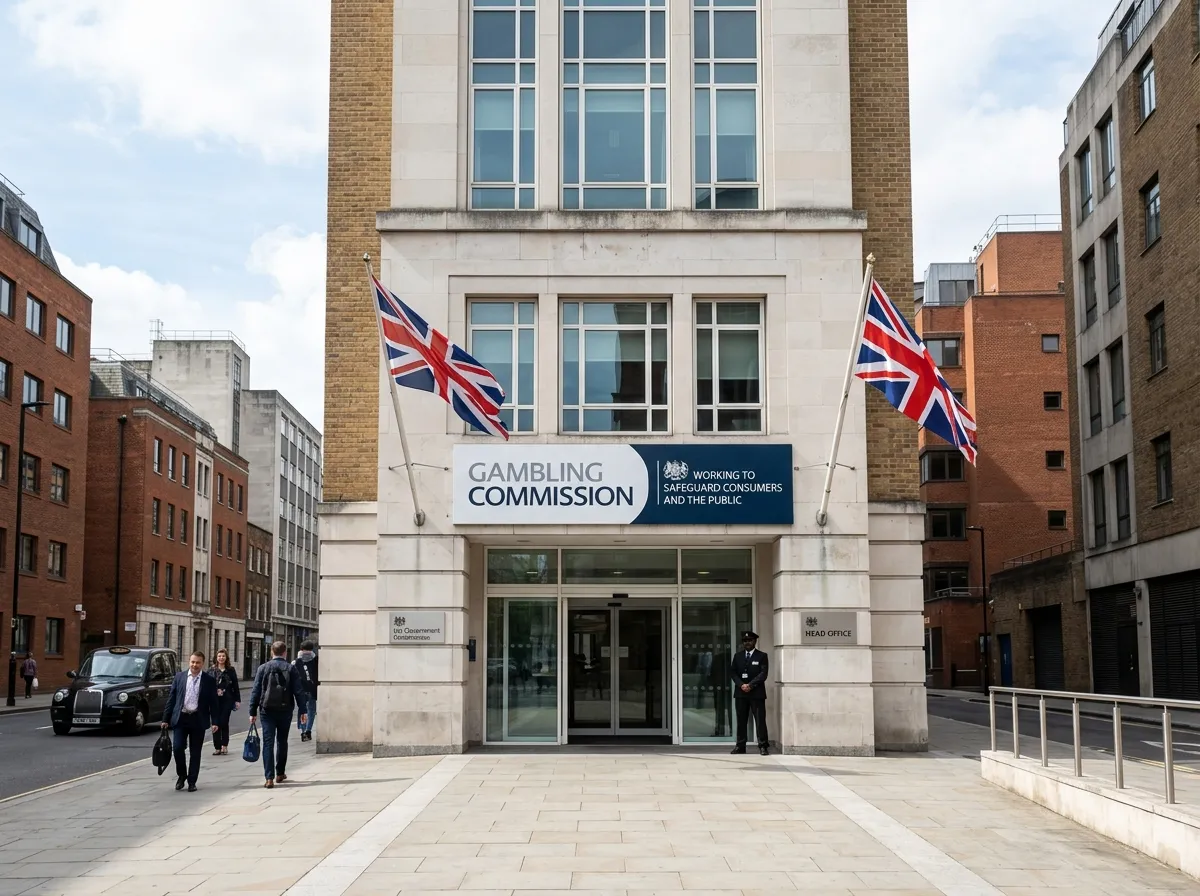
For Spain, the UK’s experience is a live case study. Spain’s DGOJ has maintained a more moderate tax regime while investing in enforcement and player protection technology. The UK example suggests that aggressive taxation — even when coupled with increased enforcement funding — risks undermining the channelling objective: the goal of keeping players within the regulated market where protections exist. Every player who leaves the regulated market for an offshore alternative is a player who loses access to deposit limits, self-exclusion, dispute resolution, and algorithmic harm detection.
The lesson isn’t that gambling should be lightly taxed. It’s that tax policy and regulatory policy need to be calibrated together. A tax rate that makes legal operation uneconomical for operators doesn’t eliminate gambling — it transfers it to operators who pay nothing and protect nobody. Spain’s consultation on reforming Ley 13/2011 would do well to examine the UK’s 40% experiment closely before adjusting its own fiscal parameters.
FAQ
How does the UK’s 40% Remote Gaming Duty compare to the European average?
The European average online gaming tax rate across 16 EU member states is approximately 19%. At 40%, the UK’s Remote Gaming Duty is more than double the European average, making it the highest online gambling tax rate among major regulated markets in Europe. Before the increase, the UK’s 21% rate was close to the European average.
Has the UK tax increase already led to a measurable rise in unlicensed gambling?
The 40% rate took effect in April 2026, so comprehensive data on its impact is still emerging. However, the UK government’s decision to allocate an extra 26 million pounds in funding to the Gambling Commission to fight the black market indicates an expectation of increased unlicensed activity. Industry bodies have warned that the Netherlands experienced a similar pattern — a tax increase followed by growth in illegal gambling and a decline in regulated revenue.