

Contenido
I sat with the finance director of a mid-sized operator in 2024 as he walked me through their DGOJ licence application budget. The licence fee itself was the smallest line item. By the time he’d added up the technical compliance costs, legal fees, responsible gambling infrastructure, the Spanish corporate entity requirement, and the ongoing regulatory reporting burden, the total ran into hundreds of thousands of euros before a single player had registered. That’s the barrier to entry the DGOJ has built — and it’s deliberately high.
The DGOJ Application Process: What Operators Must Demonstrate
A DGOJ licence application requires operators to demonstrate fitness across several domains simultaneously. Financial stability is the starting point: applicants must show they have sufficient capital to cover operational costs, player liabilities, and the fund segregation requirements that protect player deposits. The DGOJ isn’t interested in operators who are one bad month away from insolvency — and the financial documentation required to prove otherwise is extensive.

Technical compliance covers the platform’s architecture, security measures, random number generator certification, data protection implementation, and the responsible gambling tools that must be built into the player interface. Every game offered must be independently tested and certified. The player account system must support deposit limits, session tracking, self-exclusion integration with the RGIAJ, and the behavioural monitoring that the Safe Gambling Programme 2026-2030 will make mandatory.
The operator must establish a legal entity in Spain or the European Economic Area, appoint directors who pass fit-and-proper-person checks, and implement anti-money laundering procedures that meet Spanish and EU standards. The directors’ backgrounds are scrutinised — criminal records, financial history, prior involvement with gambling operations, and any regulatory sanctions in other jurisdictions. This personal accountability layer means that the people running a DGOJ-licensed operation are individually identifiable and legally responsible.
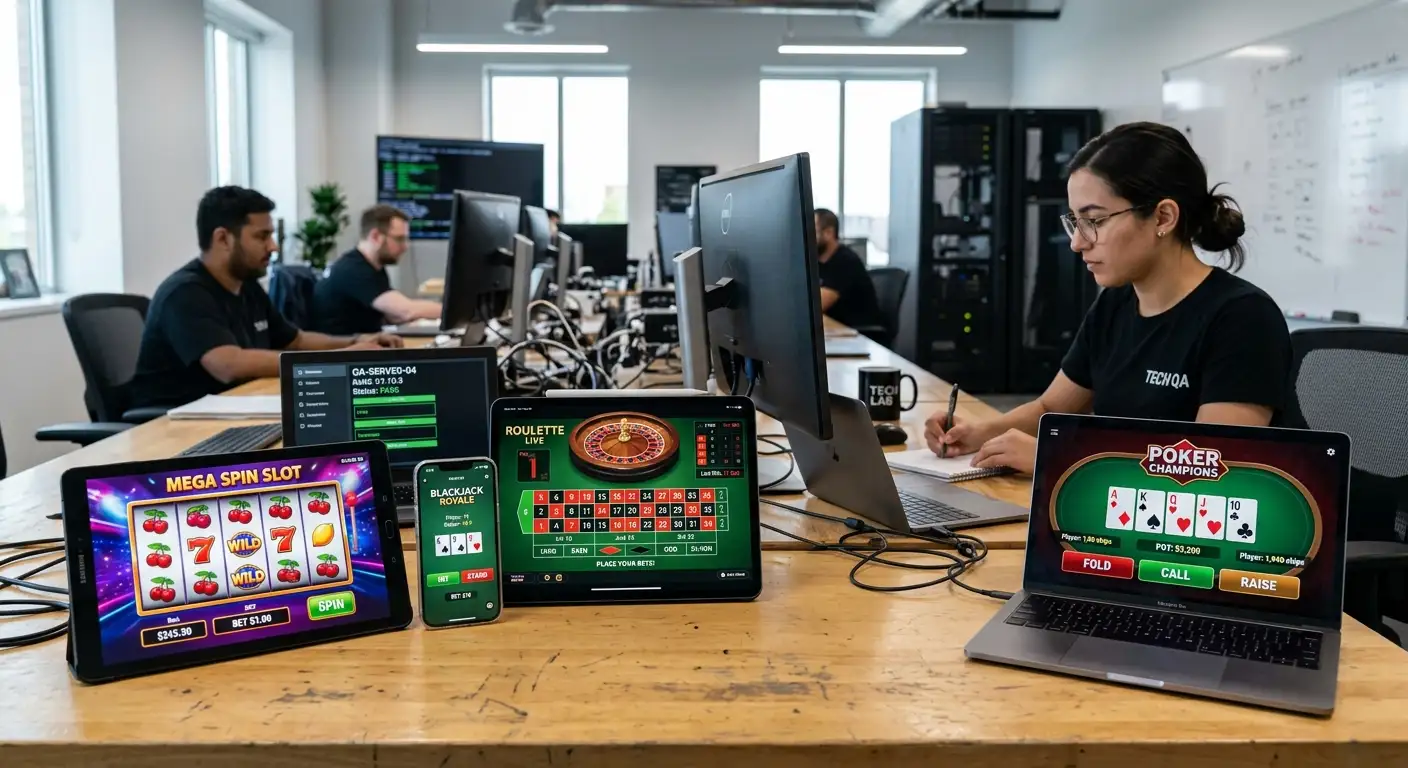
The technical infrastructure requirements alone can take months to implement. The platform must integrate with the RGIAJ self-exclusion register, implement real-time deposit limit enforcement, provide session tracking and player activity reporting, and maintain data retention policies that comply with both DGOJ requirements and GDPR. The testing and certification process for each game adds further timeline pressure — a catalogue of 2,000 games doesn’t get certified overnight, and delays in certification mean delays in revenue. Many operators underestimate the timeline and discover that the gap between application and go-live stretches far beyond their initial projections.
Why Offshore Operators Choose Not to Apply
Compare the DGOJ licence to a Curaçao CGA licence, which costs approximately 47,000 euros per year and involves a less demanding application process. Or compare it to operating with no licence at all, which costs nothing in regulatory terms. The economic calculation is straightforward: a DGOJ licence is expensive, restrictive, and comes with ongoing compliance obligations that consume resources. An offshore licence — or no licence — is cheaper, less restrictive, and allows the operator to retain revenue that would otherwise go to compliance costs.

The restrictions that come with a DGOJ licence include advertising limitations, deposit caps, mandatory responsible gambling features, game certification requirements, and regulatory reporting. Each of these protects players, but each also constrains the operator’s revenue potential. An offshore casino can offer unlimited deposits, unrestricted advertising, uncertified games from any provider, and bonuses with whatever terms it chooses. The DGOJ-licensed casino cannot. For an operator whose primary objective is maximising short-term revenue, the regulated market is structurally less attractive than the unregulated one.
The operational burden extends beyond the application. DGOJ-licensed operators must submit regular financial reports, maintain audit trails for every player transaction, respond to regulatory inquiries within mandated timeframes, and implement updates to responsible gambling tools as regulations evolve. The Safe Gambling Programme 2026-2030 will introduce additional requirements including enhanced behavioural monitoring and cross-platform deposit limits. Each new requirement adds cost. An offshore operator’s compliance burden, by contrast, is whatever they choose it to be — which in most cases is nothing.

This dynamic explains why the estimated volume of unregulated online gambling in Spain reached 231 million euros in 2024 despite DGOJ enforcement. The operators serving that market have made a rational economic decision: the revenue they earn from Spanish players without a licence exceeds the cost of enforcement risk. The DGOJ’s enforcement — blocking 229 portals covering 2,961 web pages in 2025 — raises that cost, but for many operators it doesn’t raise it above the revenue threshold that would make legal compliance more attractive.
What the Licensing Barrier Means for Market Structure
Spain’s online gambling GGR reached 1,700.55 million euros in 2025, concentrated among a relatively small number of DGOJ-licensed operators. The high licensing barrier creates a market dominated by well-capitalised operators who can absorb compliance costs — primarily large European gambling groups with multi-jurisdiction portfolios. Smaller operators, innovative startups, and niche providers are largely excluded, which reduces competition within the regulated market.

Reduced competition means less product diversity, fewer promotional offers, and less pressure on operators to innovate. Some players respond by seeking variety at offshore operators that offer broader game selections and more competitive bonuses. The licensing barrier protects players through compliance requirements, but it also narrows the market in ways that can push players toward unregulated alternatives. The average regulated player deposited approximately 836 euros per year in Spain, and operators compete intensely for that wallet — but only within the constraints the DGOJ allows, which are tighter than what offshore competitors face.
The DGOJ’s challenge is calibrating the licensing barrier at a level that ensures player protection without making the regulated market so exclusive that it drives significant player volumes offshore. The ongoing reform of Ley 13/2011 provides an opportunity to revisit this calibration, potentially streamlining some compliance requirements while strengthening others — keeping the barrier high enough to exclude bad actors but not so high that it excludes legitimate operators who could serve the market responsibly.
FAQ
How much does a DGOJ online gambling licence cost in total?
The direct licence fee is only part of the cost. Total expenses including technical compliance, legal fees, corporate establishment in Spain or the EEA, game certification, responsible gambling infrastructure, and ongoing regulatory reporting can run into hundreds of thousands of euros. The ongoing costs — annual reporting, continuous compliance monitoring, and technology updates — are substantial and recurring.
Can a Curaçao-licensed operator legally serve Spanish players?
No. Only operators holding a DGOJ licence can legally offer online gambling services to Spanish players. A Curaçao CGA licence, Malta MGA licence, or any other jurisdiction’s licence does not authorise operations in Spain. Operators serving Spanish players without DGOJ authorisation are subject to enforcement actions including domain blocking and fines of up to 50 million euros.