
Contenido
I was watching a La Liga match in late 2025 when I counted the gambling-related branding visible during a single commercial break. The number was zero. Two years earlier, it would have been three or four. Spain’s advertising restrictions have reshaped the visibility of gambling in public life more dramatically than any other regulatory measure — and yet operator marketing spend hit 664.40 million euros in 2025, up 25.84% from the previous year. The money didn’t disappear. It moved.
What Spain’s Advertising Rules Actually Prohibit
Spain’s Royal Decree 958/2020 introduced some of Europe’s most restrictive gambling advertising rules. Television and radio advertising for gambling products is prohibited between 6 AM and 1 AM, effectively limiting broadcast ads to a one-to-five-AM window that reaches almost nobody. Celebrity endorsements are banned. Gambling advertising cannot portray gambling as a route to financial success, social status, or personal fulfilment. Bonuses and promotions cannot be advertised to the general public — only to registered players through direct communication channels.

The intent is harm reduction, particularly for young people. Roughly 14% of young online players aged 18 to 25 show symptoms of gambling disorder, and the evidence linking advertising exposure to gambling initiation and escalation among younger demographics is directionally clear. By removing gambling from broadcast media, public spaces, and social media feeds, the restrictions aim to reduce the normalisation of gambling as entertainment.
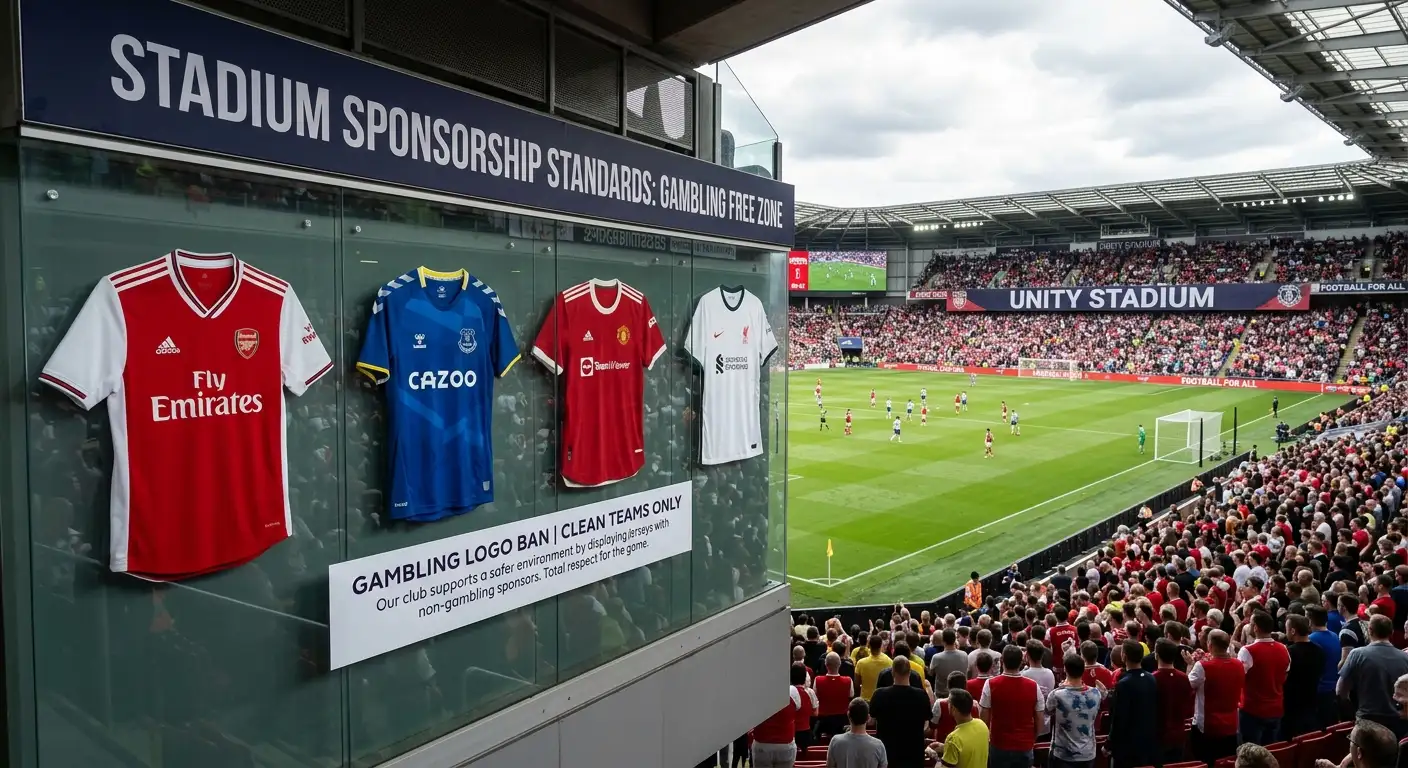
Sports sponsorship — the most visible form of gambling marketing in Spanish public life — has faced particular scrutiny. Football shirt sponsorships by gambling operators were banned, and stadium advertising has been restricted. These measures removed the most prominent gambling branding from the country’s most-watched entertainment product. But they also created a vacuum that operators filled through channels the regulations don’t reach.
The advertising restrictions don’t exist in isolation. They’re part of the broader regulatory framework that includes the DGOJ’s behavioural monitoring, deposit limits, and self-exclusion register. The logic is that reducing advertising exposure reduces gambling initiation, while protective tools reduce harm among existing players. Maarten Haijer, Secretary General of the European Gaming and Betting Association, has cautioned that overly restrictive regulations risk pushing people toward unregulated operators — a concern that applies as directly to advertising restrictions as to any other regulatory measure.
Where the 664 Million Euros Goes Instead
Operator marketing spend reached 664.40 million euros in 2025, equivalent to 39% of the industry’s total GGR of 1,700.55 million euros. Sports sponsorship spending alone surged 140% annually. If television ads are banned and shirt sponsorships are restricted, where does 664 million euros go?

Digital channels absorb the bulk. Targeted online advertising — delivered through programmatic platforms, search engines, and social media — operates in a regulatory grey zone where the timing restrictions that apply to broadcast don’t fully translate. A television ad must air after 1 AM. A Google ad appears whenever the player searches. An Instagram story runs whenever the algorithm decides to show it. The shift from broadcast to digital advertising has been the gambling industry’s primary response to Spain’s restrictions, and it has concentrated marketing spend on channels that are harder for regulators to monitor and enforce.
The other major channel is direct marketing to existing players. Because bonus and promotional advertising is restricted to registered users, operators invest heavily in CRM — customer relationship management — systems that deliver personalised offers through email, push notifications, and in-app messaging. This spending doesn’t appear in public-facing advertising at all. It’s invisible to anyone who isn’t already a registered player, which means the regulator’s restrictions on public advertising have, paradoxically, concentrated marketing effort on the players who are already gambling — the population most at risk of escalation.

Affiliate marketing represents another significant channel. Operators pay commissions to review sites, comparison platforms, and content creators who direct traffic to their platforms. This spending doesn’t appear in broadcast advertising statistics but constitutes a substantial portion of customer acquisition costs. The affiliate model is particularly effective at circumventing advertising restrictions because the promotional content is created by third parties who may operate outside Spanish jurisdiction. With over 2.1 million active regulated players and new registrations growing 11.7% monthly, the competition for acquisition through these alternative channels is fierce.
How Offshore Operators Sidestep Spanish Advertising Rules
The DGOJ’s advertising restrictions apply to operators with DGOJ licences. Offshore operators are, by definition, already operating outside Spanish law. They advertise through channels the DGOJ can monitor but not directly control: affiliate websites hosted outside Spain, social media accounts registered in other jurisdictions, influencer partnerships on platforms with global reach, and targeted ads delivered through advertising networks that don’t distinguish between Spanish regulatory requirements and those of other markets.
The irony is structural. Spain’s advertising restrictions were designed to reduce gambling marketing exposure. For DGOJ-licensed operators, they’ve succeeded — broadcast gambling advertising has essentially disappeared from Spanish public life. But for offshore operators, the restrictions create a competitive advantage: licensed operators can’t advertise through high-reach channels, while unlicensed operators face no such constraint. The advertising restriction reduces legal visibility while doing nothing to reduce illegal visibility, tilting the marketing playing field toward the unregulated sector.
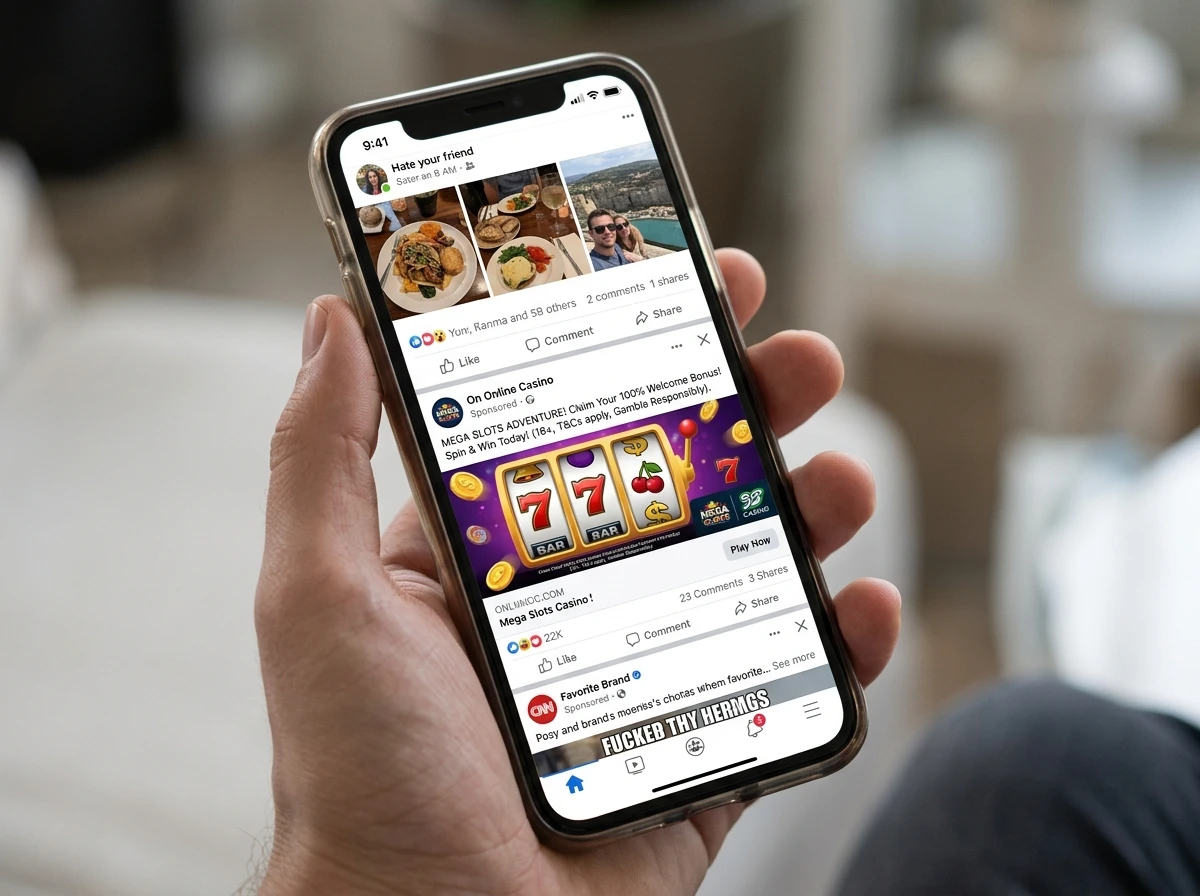
The enforcement gap is widest on social media. A DGOJ-licensed operator faces sanctions for a non-compliant Instagram post. An offshore operator running geo-targeted ads through an account registered in Malta or Curaçao faces no Spanish regulatory consequence. The platforms themselves — Instagram, TikTok, YouTube — have advertising policies that restrict gambling content in some jurisdictions, but enforcement is inconsistent and easily circumvented through influencer partnerships that blur the line between advertising and personal content.
The balance between harm reduction and market channelling is the central tension in Spain’s advertising policy. Tighter restrictions protect vulnerable populations from gambling marketing but reduce the regulated market’s ability to compete for attention against offshore operators who face no restrictions at all. There’s no clean resolution to this trade-off, and anyone who presents one is oversimplifying a problem that regulators across Europe are still struggling to solve.
FAQ
When can gambling operators advertise on Spanish television?
Gambling advertising on Spanish television is permitted only between 1 AM and 6 AM under Royal Decree 958/2020. This effectively eliminates gambling from prime-time and daytime broadcasting. Radio advertising faces similar restrictions. Digital advertising is subject to content restrictions but not identical time-of-day limitations, which has driven a shift in marketing spend toward online channels.
Can offshore casinos legally advertise to Spanish players?
No. Any gambling advertising targeting Spanish players without DGOJ authorisation is illegal. However, enforcement is challenging because offshore operators advertise through international digital channels — affiliate sites, social media platforms, and advertising networks — that operate outside Spanish jurisdiction. The DGOJ can block domains and sanction identified operators, but the advertising itself often originates from outside Spain’s regulatory reach.